When to Worry About Low Complement C3

Medical Review Date: March 7, 2026
You should worry about low complement C3 when levels are persistently below the normal range, especially if accompanied by symptoms such as unexplained swelling, rash, joint pain, or recurrent infections. Low C3 can be a sign of immune system overactivation and may indicate underlying conditions like lupus, glomerulonephritis, or other autoimmune or infectious diseases. Isolated mild decreases may be temporary, but consistently low or falling levels with related symptoms warrant medical evaluation to determine the cause and guide treatment.
Sitting in the exam room after blood work ordered during a check for ongoing tiredness and vague aches, many people hear their doctor note that the complement C3 level came back lower than expected. That single phrase can raise quiet questions about the immune system and what it might mean moving forward, yet the conversation often turns quickly to the bigger picture rather than the number alone.
What Complement C3 Actually Does in the Body
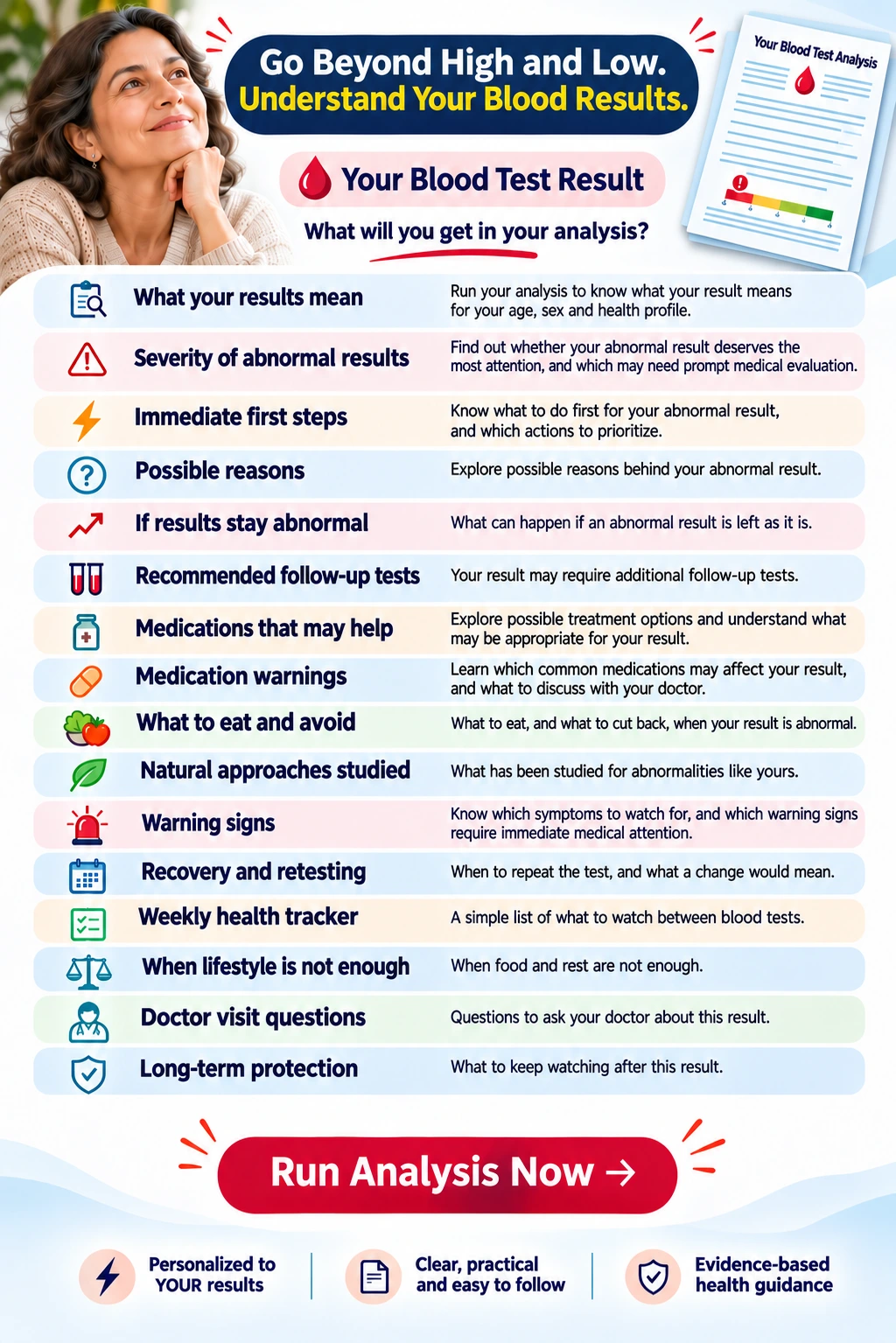
How concerning is your Complement C3 result?
Answer a few quick questions.
The complement system forms part of the immune defense that works quietly behind the scenes. Complement C3 serves as one of its central proteins, circulating in the blood ready to tag threats, help clear debris, and support inflammation when needed. It assists in breaking down bacteria, removing damaged cells, and guiding other immune responses toward balance.
When everything runs smoothly, C3 levels stay steady. Yet the system can become more active than usual during certain health situations, using up available C3 faster than the body replaces it. This natural process explains why a lab report might show a value different from the laboratory’s usual reference range. Because every lab sets its own ranges based on equipment and population data, any comparison always belongs in professional hands.
Situations Where Complement C3 Levels Often Differ From Usual
A Question We Get Often
"So what do I actually do with these abnormal results?"
It is the most common thing our readers write to us about. Understanding what a value means is one thing — knowing what to do with it is another. Your doctor gave you a number. What you need is a plan.
That is exactly what we do here. Send us your report and some of the best doctors in the world will review the whole thing and send you back a written interpretation with clear next steps — usually within 12 hours.
Get my next steps →
Lower-than-usual complement C3 readings appear in a range of medical contexts because the protein gets consumed during immune activity. According to the Cleveland Clinic, such findings can relate to autoimmune processes, certain kidney conditions, infections, or liver concerns, among others. The drop itself signals activity rather than naming a specific diagnosis.
In autoimmune settings the immune system sometimes targets the body’s own tissues, ramping up complement use. Conditions like systemic lupus erythematosus frequently show this pattern during active periods. Similarly, some forms of vasculitis or rheumatoid arthritis may involve the same pathway. These associations highlight why doctors look at C3 alongside other markers and clinical details before drawing conclusions.
Complement proteins act like an alarm system; when the alarm stays on longer than necessary, supply can run low.
Kidney Health and Complement System Connections
Certain kidney conditions involve the alternative pathway of complement activation, where C3 levels drop while C4 stays closer to normal. Complement 3 glomerulopathy, or C3G, offers one example of this mechanism. The National Kidney Foundation explains that overactive complement leads to breakdown products depositing in the kidney’s filtering units, gradually affecting function.
In these situations, blood tests may reveal lower C3 as part of the overall evaluation. The finding prompts further checks such as urine studies or, when appropriate, imaging and biopsy to understand the full story. Changes in urination, swelling, or energy levels remain non-specific on their own and always require professional testing rather than self-assessment.
Exploring information on low complement c3 symptoms can help patients prepare thoughtful questions for their next visit, yet the final interpretation stays with the healthcare team.
Patterns That Guide Medical Conversations
A single lower-than-usual result rarely stands alone in decision-making. Healthcare professionals compare the current value with previous tests to spot trends. A gradual decline over months may carry different weight than a sudden change that later returns toward baseline. Repeat testing often clarifies whether the shift reflects ongoing activity or a passing influence.
Testing C3 together with C4 provides extra clues about which immune pathway might be involved. When both drop, classical pathway activation may be at play. When only C3 falls, alternative pathway activity becomes more likely. This pairing helps narrow possibilities without replacing a full clinical review.
Temporary Factors That Can Influence Readings
Not every lower-than-usual complement C3 level points to a long-term issue. Acute infections, recent inflammation, or even certain medications can temporarily shift values. Once the body recovers, levels may move back within the expected range on follow-up testing. Malnutrition or liver stress can also affect production of complement proteins until the underlying situation improves.
These reversible influences remind patients why timing and context matter. A reading taken right after an illness may look different from one measured weeks later during stable health. Tracking personal baselines across several years gives doctors the clearest reference point for any individual.
C3 Versus C4 Patterns at a Glance
- Both low: often linked to immune complex activity
- C3 low, C4 normal: may suggest alternative pathway involvement
- Values within range: does not rule out other concerns
The Value of Ongoing Monitoring
Many people with occasional or persistent lower-than-usual complement C3 continue regular check-ups. Monitoring helps detect changes early and supports informed discussions about overall health. Doctors may schedule follow-up labs at intervals suited to each person’s situation, always interpreting results within the broader clinical picture.
Lifestyle elements such as balanced nutrition, regular movement, and managing other health conditions can support general well-being, though they do not directly raise or lower the lab number in isolation. Focus stays on understanding trends rather than trying to adjust the marker independently.
Preparing for Discussions With Your Healthcare Team
Bringing a list of questions to appointments helps make the most of limited time. Patients often ask about the meaning of their specific trend, whether additional tests would help clarify the picture, and how results fit with any symptoms they notice. Sharing details about recent illnesses, medications, or family health patterns also gives doctors helpful context.
Because complement C3 forms only one piece of a larger puzzle, conversations usually cover related labs, physical exam findings, and personal history. This collaborative approach keeps decisions grounded in individual needs rather than numbers alone.
- Trends over time matter more than any single lab value
- Repeat testing often provides clearer insight
- Professional interpretation considers your full health story
- Lower-than-usual results represent findings, not automatic diagnoses
Frequently Asked Questions
Can a low complement C3 level ever return to normal without intervention?
Yes, in some situations a temporary dip related to a recent infection or short-term inflammation may rise again once the body recovers. Follow-up testing helps show whether the change was passing or part of a longer pattern. Only your healthcare professional can determine the best timing for rechecks based on your specific circumstances.
Why do doctors often order C3 and C4 tests at the same time?
Measuring both proteins together helps suggest which part of the complement pathway may be more active. Different patterns point toward different possible explanations, giving the care team additional clues. This information always combines with your symptoms, history, and other results for accurate understanding.
Does a lower-than-usual complement C3 result by itself confirm an autoimmune condition?
No. While low levels can appear during active autoimmune processes, many other factors can influence the reading. A single result does not establish any diagnosis. Healthcare providers evaluate the full clinical picture before reaching any conclusions.
How often might complement C3 levels need rechecking?
The schedule varies widely depending on your overall health, recent changes, and any ongoing conditions under review. Some people benefit from checks every few months, while others need them less often during stable periods. Your doctor will recommend the interval that best fits your situation.
Key takeaway
Low complement C3 levels represent one helpful piece of information rather than a complete story on their own. Paying attention to patterns, discussing results openly with your healthcare team, and keeping the bigger health picture in view leads to the clearest understanding. Professional guidance ensures any findings receive the thoughtful interpretation they deserve within your unique circumstances.
Medical references
- Cleveland Clinic – C3 Complement Blood Test
- National Kidney Foundation – Complement 3 Glomerulopathy (C3G)
- Mayo Clinic Laboratories – Complement C3, Serum