What level of FSH is dangerously low?
Ever get that nagging feeling that something's just… off? Maybe you're feeling constantly drained, your mood's all over the place, or things just aren't working like they used to. It's easy to blame it on stress or just getting older. But sometimes, the real story is happening way under the surface, written in the language of your hormones.
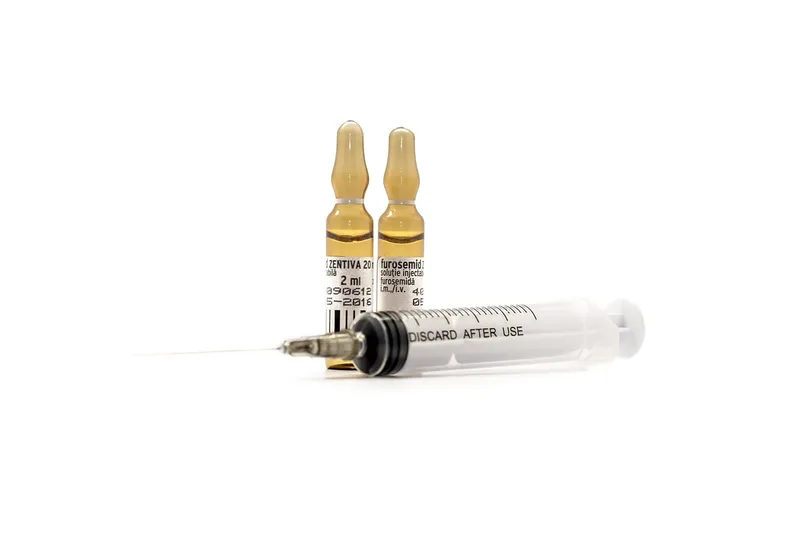
We hear a ton about high hormone levels, right? But what about when they dip way too low? Specifically, Follicle-Stimulating Hormone, or FSH. It's a big player, especially when it comes to fertility and overall well-being. So, let's chat about what level of FSH is considered dangerously low and, more importantly, what that actually means for you.
FSH: The Conductor of the Hormonal Orchestra
First off, what even is FSH? Think of it less like a switch and more like the conductor of a very intricate orchestra. In people with ovaries, FSH is the signal that tells the follicles in the ovaries to wake up and start prepping an egg for release each month. For those with testes, it’s the cue for sperm production. Without a clear, strong signal from the conductor, the whole performance can falter or even stop.
Now, you might be thinking, "Low sounds good, though! Less must be better!" Well, not in this case. It's all about balance. While sky-high FSH often points to the ovaries or testes not responding (so the brain keeps shouting the signal louder and louder), a dangerously low level tells a different story. It suggests the problem might be further up the chain—with the conductor itself.

When Low Is a Red Flag
Okay, let's get to the numbers. But remember, lab ranges can vary slightly, so always, always talk to your doctor about your specific results. We're talking generalities here.
A video message
If you want your blood test report to be interpreted by FSH specialist, you can upload your report. Our FSH expert will provide you with the most accurate interpretation of your blood test results and treatment within 12 hours.Upload blood test report now
For women before menopause, a typical FSH level during the first few days of their cycle might sit between 4.7 and 21.5 mIU/mL. So, if a test comes back showing an FSH level consistently below, say, 3 or 4 mIU/mL, that’s usually when doctors start to raise an eyebrow. It’s not about a single number, but a pattern of it being significantly lower than expected.
For men, normal FSH is generally between 1.5 and 12.4 mIU/mL. A level that's persistently under 1.5 could be a cause for investigation.
But here's the crucial part: the number itself isn't the "danger." The danger lies in what that low number represents. It's not like a poison level in your blood. It's a clue. A clue that the master gland in your brain, the pituitary, might not be sending out the right signals. This condition has a name: Hypogonadotropic Hypogonadism. A real mouthful, I know. It just means low gonadal function due to low brain hormones.
What's Actually Going On?
So if your FSH is dangerously low, it's like the conductor has fallen asleep. The orchestra (your ovaries or testes) is perfectly capable, but they're just sitting there waiting for a command that never comes. The result? In women, this can mean absent or irregular periods, trouble conceiving, and low estrogen. For men, it can mean low testosterone, which brings its own set of challenges like low energy, low libido, and also, fertility issues.
The root cause of this sleepy conductor can be a few things. It could be related to extreme stress, being significantly underweight, or doing intense athletic training—your body basically hits the pause button on reproduction because it thinks it's not a safe time. Sometimes, it's a problem with the pituitary gland itself, like a benign tumor, or a history of head trauma. It's a puzzle, and that low FSH is a key piece.
I once knew someone who was training for a marathon and just couldn't figure out why her cycle vanished. She felt run-down, obviously, but chalked it up to the miles. Turns out, her body fat had dropped so low that her brain put the whole reproductive system on standby. Her FSH was practically nonexistent. A real wake-up call.
What Does This Mean For You?
If you're reading this and feeling a knot in your stomach, please don't panic. A single low reading isn't a diagnosis. Labs can have errors, and your body has its own rhythms. The key is to look at the bigger picture with a professional.
If you're experiencing symptoms like unexplained fatigue, missing periods, low sex drive, or struggling with infertility, that's your cue to talk to your doctor. They won't just look at FSH. They'll check other hormones like LH, estrogen, or testosterone to get the full story. It's like hearing the whole orchestra play, not just one instrument.
A dangerously low FSH level — generally, anything below 1 mIU/mL — may indicate pituitary failure, hypothalamic disorders, or anorexia. It’s critical to speak with your doctor, find out the cause, and take steps to correct it immediately.
Honestly, the "danger" here is mostly in letting the underlying cause go unchecked. The good news? Once you figure out why the conductor is napping, you can often find a way to gently wake it up. Treatment isn't one-size-fits-all. It could be as simple as nutritional counseling and easing up on exercise, or it might involve hormone replacement therapy to help your body get back into a rhythm.
The bottom line? Your hormones are a conversation between your brain and the rest of your body. A dangerously low FSH level is like one side of the conversation has gone silent. It's not a sentence, it's a starting point. A reason to listen a little closer to what your body is trying to say, and to get a expert to help you translate.