Understanding APTT: What Is It Exactly?
Ever had a blood test and saw the term APTT on the report, leaving you scratching your head? You're not alone. APTT stands for Activated Partial Thromboplastin Time, and it’s a test that checks how long it takes your blood to form a clot. Essentially, it's a way for your doctor to peek into how your body handles bleeding and clotting.
Normal vs. Abnormal APTT: Where’s the Line?
Generally speaking, the normal APTT range is about 30 to 40 seconds. This can vary slightly depending on the lab and testing method. If your APTT is higher than normal, it means your blood takes longer to clot—something doctors pay attention to if you’re bleeding too much or taking blood thinners.
But what if your APTT is too low? That’s less talked about, and honestly, a bit more puzzling.

So, What APTT Level Is Considered Dangerously Low?
Here's the short answer: there's no universal number for a "dangerously low" APTT, but anything significantly below the lower limit—say, under 25 seconds—should raise a red flag, especially if you're experiencing symptoms like unexplained clots or have a history of cardiovascular issues.
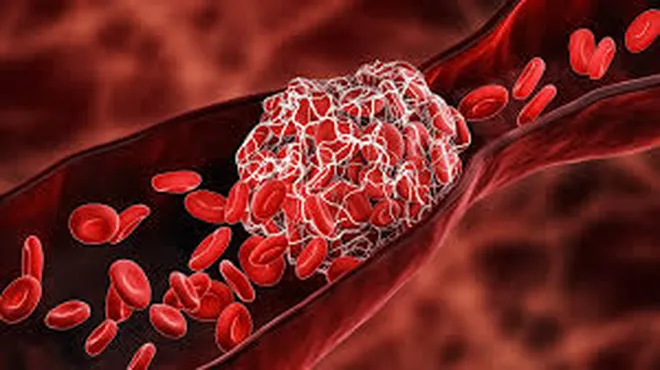
A low APTT usually means your blood is clotting too quickly. While that might sound like a superpower, it can actually put you at risk for conditions like deep vein thrombosis (DVT), strokes, or other clot-related issues.
A video message
If you want your blood test report to be interpreted by APTT specialist, you can upload your report. Our APTT expert will provide you with the most accurate interpretation of your blood test results and treatment within 12 hours.Upload blood test report now
| 10 seconds | 11 seconds | 12 seconds | 13 seconds | 14 seconds |
What Can Cause a Low APTT?
There’s a handful of reasons why your APTT might be lower than normal. Let’s break them down:
- Inflammation or infection: Acute-phase reactions can temporarily lower APTT.
- Elevated factor VIII levels: This clotting factor can shorten APTT time, especially during stress or trauma.
- Certain medications: Drugs like corticosteroids may have an indirect effect on clotting times.
- Laboratory error: Yep, sometimes it's just a glitch in the testing process or sample handling.
- Genetic predisposition: Some people naturally have faster clotting mechanisms due to genetic factors.
If your doctor suspects something is off, they might dig deeper with more specific clotting tests or a full coagulation panel.
| 15 seconds | 16 seconds | 17 seconds | 18 seconds | 19 seconds |
What Are the Risks of a Low APTT?
When your blood clots too quickly, the danger isn't bleeding—it's clotting too much. Here's what can happen if a low APTT is left unchecked:
- Increased risk of thrombosis – Clots can form in veins or arteries, leading to blockages.
- Stroke or transient ischemic attacks (TIAs) – Clots that reach the brain are serious business.
- Heart attack – If a clot blocks a coronary artery, the result can be life-threatening.
- Pulmonary embolism – When a clot travels to your lungs, it can stop blood flow and oxygen exchange.
If that sounds scary, well... it is. But the key is catching and treating it early.
| 20 seconds | 21 seconds | 22 seconds | 23 seconds | 24 seconds |
How Do You Know If You’re at Risk?
Sometimes, a low APTT shows up in people without any symptoms at all. But if you experience the following, it’s worth getting tested:
- Unexplained swelling or pain in your legs
- Sudden shortness of breath or chest pain
- A history of frequent or unprovoked clots
- Family history of clotting disorders
It's always better to get it checked out than to ignore potential signs of trouble.
What Should You Do If Your APTT Is Too Low?
If you find out that your APTT is lower than normal, don’t panic—but don’t brush it off either. Here’s a step-by-step approach:
- Follow up with your doctor: They’ll interpret your results in the context of your full health picture.
- Consider retesting: Especially if there’s any doubt about the accuracy of the original result.
- Evaluate risk factors: Your lifestyle, medications, and family history all matter.
- Make lifestyle adjustments: Stay hydrated, avoid smoking, and exercise regularly to support healthy blood flow.
- Consider a hematologist consult: Especially if clotting runs in your family or you've had a clot before.
Wrapping It Up: Stay Informed, Stay Safe
To sum it all up, an APTT under 25 seconds can be a cause for concern—especially if it's accompanied by other risk factors. While it’s not as commonly discussed as high APTT, low levels can point to a serious predisposition for dangerous clots.
The good news? With early detection and medical guidance, most clotting disorders can be managed or even prevented. So the next time your blood test shows an APTT result, you’ll know exactly what it means—and why it matters.
Stay curious, stay healthy—and never be afraid to ask your doctor the tough questions.