What Level of D Dimer Is Dangerously High? A Complete Guide
Ever gotten a blood test result that made you immediately run to Google? If you’ve recently had your D Dimer levels checked, you might be wondering, “How high is too high?” or Should I be worried about this number?” You’re not alone! Understanding D Dimer levels can be confusing, but I’m here to break it all down for you.
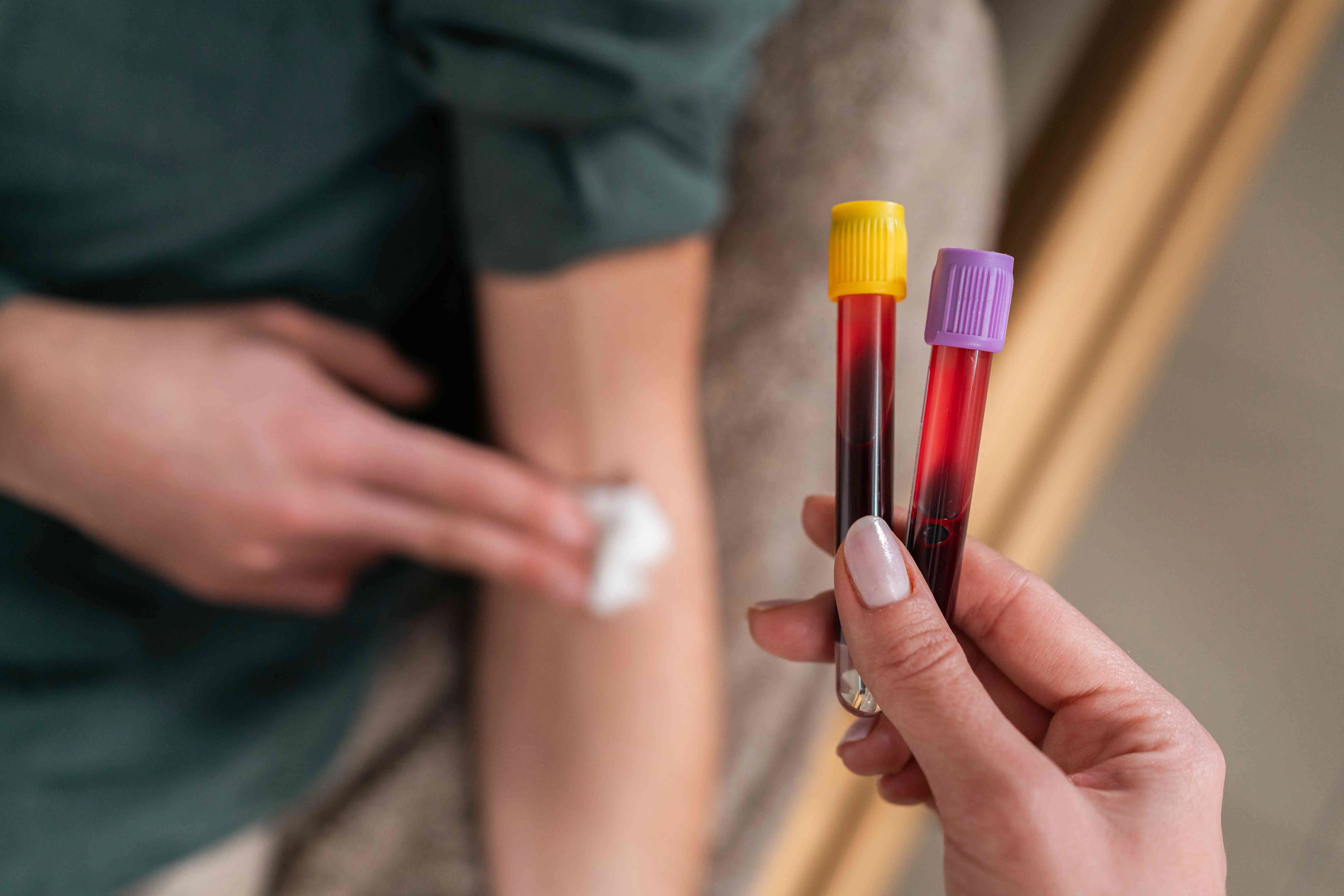
First Off, What Is D Dimer?
D Dimer is a small protein fragment that’s produced when a blood clot dissolves in your body. In healthy people, D Dimer levels are usually low. But if your body is making and breaking down lots of clots, your D Dimer level goes up. This is why doctors order the test when they’re concerned about things like deep vein thrombosis (DVT), pulmonary embolism (PE), or other clotting disorders.
Fun fact: The D” in D Dimer stands for the two D-shaped portions of the fibrin protein that form during the breakdown of blood clots.
So, What’s a Normal D Dimer Level?
Most labs report D Dimer levels in nanograms per milliliter (ng/mL) or micrograms per liter (µg/L). The “normal” reference range varies a bit by lab, but it’s usually less than 500 ng/mL or 0.5 µg/mL FEU (Fibrinogen Equivalent Units).

- Normal: < 500 ng/mL (or < 0.5 µg/mL FEU)
- Slightly elevated: 500–1,000 ng/mL
- High: 1,000–2,000 ng/mL
- Very high: > 2,000 ng/mL
What Level of D Dimer Is Dangerously High?
Now for the big question: At what point does a high D Dimer level become truly dangerous?
There’s no one-size-fits-all answer, because context is everything. However, here’s what most experts and clinicians consider:
A video message
If you want your blood test report to be interpreted by D Dimer specialist, you can upload your report. Our D Dimer expert will provide you with the most accurate interpretation of your blood test results and treatment within 12 hours.Upload blood test report now
- Moderate elevation (500–2,000 ng/mL): This can be caused by a variety of things, including recent surgery, trauma, infection, pregnancy, liver disease, or simply older age.
- Markedly high (>2,000 ng/mL): This is where doctors start to worry, especially if you have symptoms like chest pain, trouble breathing, leg swelling, or recent immobility. D Dimer levels in the 5,000–10,000 ng/mL range or higher are a big red flag, often prompting immediate investigation for serious conditions like pulmonary embolism or widespread clotting (disseminated intravascular coagulation, or DIC).
In simple terms: A D Dimer level above 2,000 ng/mL is considered dangerously high—especially if you have symptoms or risk factors for blood clots.
Why Would D Dimer Be Dangerously High?
It’s easy to panic when you see a high number, but remember—D Dimer isn’t specific. Many things can raise it, including:
- Blood clots (DVT, PE)
- Recent surgery or trauma
- Infections and inflammation (like pneumonia or COVID-19)
- Liver disease
- Cancer
- Pregnancy or postpartum period
- Heart attack or stroke
In other words, a high D Dimer is a sign that your body is dealing with clot formation and breakdown—but it doesnt say exactly why.
What Symptoms Should I Watch Out For?
If your D Dimer is “dangerously high,” it’s not just about the number—it’s about how you’re feeling. Be alert for symptoms like:
- Shortness of breath
- Chest pain (especially if it gets worse when you breathe in)
- Swelling, pain, or redness in your legs
- Unexplained bleeding or bruising
- Sudden severe headache, confusion, or vision changes
These are signs you should seek medical attention immediately, regardless of what your lab results say.
How Is a High D Dimer Level Treated?
This is where the conversation gets practical. A high D Dimer is a clue, not a diagnosis. If your doctor thinks you might have a clot, they’ll probably order more tests, like a CT scan, ultrasound, or other imaging.
If a clot is found, treatment might include blood thinners (anticoagulants) to stop it from getting bigger or breaking off. But if no clot is found, your doctor will look for other causes of the elevated D Dimer.
Does Age Matter?
Yes! As we get older, our D Dimer levels naturally creep up—even in the absence of disease. That’s why some doctors use an “age-adjusted” cutoff, especially in people over 50. If you’re 65, for example, a D Dimer up to 650 ng/mL might be considered normal.
What Should You Do If Your D Dimer Is High?
- Don’t panic. Remember, lots of things can bump up your D Dimer.
- Talk to your doctor. They know your full medical picture and can guide you on next steps.
- Watch your symptoms. If you feel unwell, especially with the warning signs mentioned above, seek help immediately.
- Follow up. Sometimes your doctor will want to repeat the test or do more investigations to figure out what’s going on.
Frequently Asked Questions
Can D Dimer ever be “falsely” high?
Absolutely! Conditions like infection, recent injury, or even being pregnant can all push D Dimer levels up without a dangerous clot.
Is a low D Dimer always good news?
Generally, yes—a normal or low D Dimer makes serious clotting very unlikely, but its not 100% perfect. Always look at the big picture with your doctor.
A dangerously high D-dimer level — generally, anything over 2,000 ng/mL — can indicate blood clots, deep vein thrombosis (DVT), or pulmonary embolism. This result needs urgent attention. Contact your healthcare provider immediately, undergo further testing, and rule out life-threatening conditions.
Bottom Line
D Dimer is a useful test, but it’s not the whole story. Levels above 2,000 ng/mL are concerning and could indicate something serious, especially if you have symptoms of a blood clot. But there are many reasons D Dimer can be high, so the best thing you can do is partner with your healthcare provider and stay aware of how you’re feeling.
Got more questions about D Dimer or your test results? Don’t be shy—ask your doctor! It’s your health, and you deserve answers that make sense.