What Level of Eosinophils Is Dangerously Low?
Understanding what your blood test is really telling you
What Are Eosinophils, Anyway?
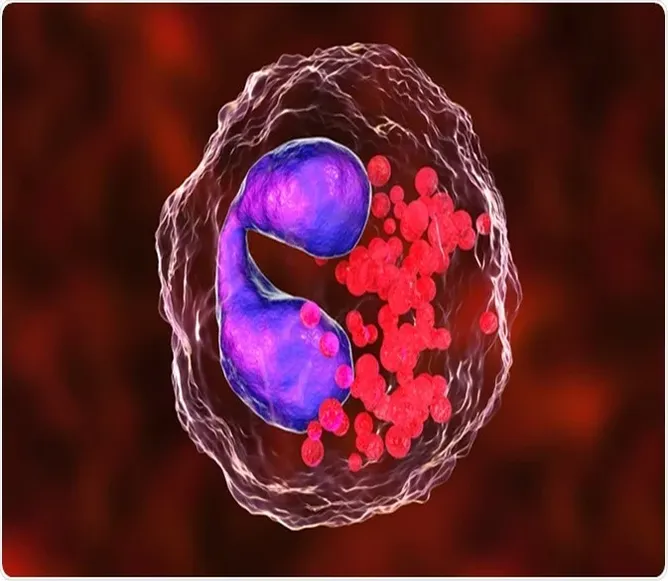
Before diving into what's considered too low, let's start at the beginning. Eosinophils are a type of white blood cell — part of your immune system's defense team. These little guys help fight off parasites, bacteria, and are also involved in allergic reactions. They're not the most famous white blood cells, but they play a vital role.
Normal Eosinophil Levels: What’s the Baseline?
For most healthy adults, eosinophil levels fall between 100 to 500 cells per microliter of blood, or roughly 1% to 6% of your total white blood cell count. So what happens when that number dips below this range?

So, What Counts as a Dangerously Low Eosinophil Level?
When eosinophil levels fall below 50 cells per microliter, it may be considered eosinopenia—the medical term for low eosinophils. Now, the word “dangerous” is relative. Unlike high eosinophil counts, which often scream inflammation or infection, low eosinophil levels aren’t always a red flag on their own.
In fact, temporary eosinopenia can happen for totally normal reasons — like after you've had a stressful day, during a bout of intense exercise, or even after taking corticosteroids. The key is context.
A video message
If you want your blood test report to be interpreted by Eosinophils specialist, you can upload your report. Our Eosinophils expert will provide you with the most accurate interpretation of your blood test results and treatment within 12 hours.Upload blood test report now
What Causes Eosinophils to Drop?
There are a few reasons your eosinophil levels might fall. Let’s explore some of the usual suspects:
- Stress response: Chronic stress or trauma can suppress eosinophil production.
- Glucocorticoids: Medications like prednisone can lower eosinophil levels significantly.
- Acute infections: Certain infections, especially those causing inflammation, can lead to temporarily low eosinophil counts.
- Blood disorders: Although rare, certain bone marrow disorders can also suppress eosinophils.
- Endocrine issues: Conditions like Cushing’s syndrome may result in persistently low eosinophil levels.
When Should You Worry?
If you’re otherwise healthy and your eosinophils are just slightly below the norm, your doctor might not be concerned. But if you’re feeling unusually fatigued, getting sick often, or have other abnormal blood counts, it’s time to pay closer attention.
Persistent eosinopenia in combination with other symptoms — like unexplained weight loss, chronic infections, or unusual inflammation — should absolutely prompt further investigation. It's not about the number alone; it's about the bigger picture.
How Is Eosinopenia Diagnosed?
Typically, a complete blood count (CBC) with differential will show your eosinophil percentage and absolute count. If your doctor notices a significant drop, they’ll probably look into potential causes based on your health history and other lab results.
What Can You Do About Low Eosinophil Levels?
The treatment (if any is even needed) depends on the cause. If medication is the reason, adjusting your prescription could help. If it’s stress or infection-related, your body may correct the imbalance on its own over time.
For more serious underlying conditions, your doctor might recommend additional testing — sometimes involving bone marrow analysis or hormone panels. Again, low eosinophils are usually a symptom, not the root cause.
Can You Boost Eosinophils Naturally?
There’s no proven "eosinophil booster," but keeping your immune system in balance can’t hurt. Here are a few general wellness tips:
- Prioritize sleep and stress management
- Maintain a balanced, nutrient-rich diet
- Exercise moderately, not excessively
- Stay hydrated and avoid overuse of medications that suppress immunity
A dangerously low eosinophil count — generally, anything below 50 cells/µL — is often not a major concern but can be seen with stress, severe infections, or corticosteroid use. Check with your doctor if other abnormalities are present to rule out serious conditions.
The Bottom Line
So, what level of eosinophils is dangerously low? While anything below 50 cells/µL may be labeled as eosinopenia, it’s rarely an emergency on its own. What matters most is what’s going on in your body alongside that number. If you’re unsure, the best step is a simple one: talk to your doctor.
Your blood tells a story — eosinophils are just one chapter. The key is reading it in context.