What Level of Fasting Blood Sugar Is Dangerously High?
Let’s talk about something that matters to pretty much everyone—your blood sugar. Whether you’re monitoring your health or simply curious, understanding what fasting blood sugar levels mean and when they become dangerously high is important. In this article, we’ll break it down in plain language, no medical jargon, just straightforward answers and practical advice.
What Is Fasting Blood Sugar Anyway?
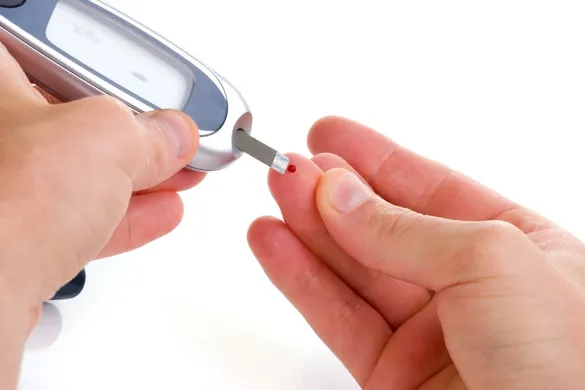
Fasting blood sugar refers to the level of glucose (sugar) in your blood after you haven’t eaten for at least 8 hours. It’s usually the first test your doctor will suggest to check how your body manages blood sugar, especially if there’s a concern about diabetes or prediabetes.
Think of it like a snapshot of how well your body keeps your blood sugar in check when there’s no food influencing the numbers. This is why blood samples are usually taken first thing in the morning, before breakfast.

What’s Considered Normal, High, and Dangerously High?
So, what are the actual numbers you should know about? Here’s a quick overview:
- Normal fasting blood sugar: 70 to 99 mg/dL (milligrams per deciliter)
- Prediabetes: 100 to 125 mg/dL
- Diabetes (diagnosis threshold): 126 mg/dL or higher
But here’s where people often get worried: What level is dangerously high? The answer depends on the situation, but there’s a general consensus among medical professionals.
A video message
If you want your blood test report to be interpreted by Fasting blood sugar specialist, you can upload your report. Our Fasting blood sugar expert will provide you with the most accurate interpretation of your blood test results and treatment within 12 hours.Upload blood test report now
When Is Fasting Blood Sugar Dangerously High?
Now, if your fasting blood sugar creeps above 180 mg/dL, you’re entering territory that isn’t just “high”—it’s risky. Prolonged fasting blood sugars consistently above this level can lead to serious complications. For some people with poorly managed diabetes, fasting levels can even reach 200 mg/dL or higher, which is a red flag.
But wait—don’t panic if you see a high number once. One odd reading doesn’t always mean disaster. It’s when these numbers stick around day after day, or are paired with symptoms (like feeling extremely thirsty, needing to pee all the time, or blurry vision), that you really need to take action.
Why Is Dangerously High Fasting Blood Sugar a Problem?
High blood sugar, also known as hyperglycemia, isn’t just a number on a chart. When it lingers, it can cause real damage inside your body:
- Short-term risks: If your blood sugar soars very high (say, over 250-300 mg/dL), it can lead to diabetic ketoacidosis (DKA)—a potentially life-threatening condition, especially in type 1 diabetes.
- Long-term risks: Even if your sugar isn’t that high, persistent fasting blood sugars above 180 mg/dL can damage your eyes, kidneys, nerves, and heart over time.
The higher your fasting blood sugar, the more stress it puts on your organs. That’s why “dangerously high” usually means levels above 180 mg/dL, and especially if they climb to 200 mg/dL or more.
How Do You Know If Your Blood Sugar Is Dangerously High?
Besides the number itself, pay attention to how you feel. Here are some warning signs that your blood sugar might be in the danger zone:
- Extreme thirst
- Frequent urination
- Unexplained weight loss
- Fatigue or confusion
- Blurred vision
- Fruity-smelling breath
- Stomach pain, nausea, or vomiting
If you have these symptoms, especially with a fasting reading over 250 mg/dL, it’s time to call your doctor or visit urgent care.
What Causes Fasting Blood Sugar to Get So High?
There are a bunch of reasons your fasting blood sugar could shoot up:
- Skipping or forgetting your diabetes medication
- Eating more carbs than usual (especially before bed)
- Stress, infections, or illness (these trigger hormones that raise blood sugar)
- Other medications (like steroids)
Sometimes, your body just needs a little help managing blood sugar, even if you’re doing “everything right.” That’s why regular testing matters.
How Can You Lower Dangerously High Fasting Blood Sugar?
The good news? There are effective ways to bring those numbers down. Here are some practical tips:
- Follow your doctor’s plan. Take medications as prescribed. Don’t skip doses, and don’t adjust them on your own.
- Stay hydrated. Water helps flush excess sugar out of your system.
- Get moving. Even a short walk can lower blood sugar, but don’t exercise if your sugar is over 250 mg/dL and you have ketones—call your doctor first!
- Watch your carbs. Pay attention to what you eat, especially at dinner and bedtime.
- Manage stress. Easier said than done, but relaxation techniques really do help.
If your fasting blood sugar is consistently high—even after following these steps—reach out to your healthcare provider. Sometimes, medication adjustments or further testing are needed.
When Should You Worry?
Here’s a simple way to remember:
- Fasting blood sugar under 100 mg/dL? You’re good.
- 100–125 mg/dL? Pre-diabetes zone—time for lifestyle tweaks.
- 126–180 mg/dL? Diabetes zone—important to take action.
- 180 mg/dL and above? Danger zone—don’t ignore it. If you see numbers 200+ and feel sick, get help now.
Remember: it’s not about one reading, but the pattern over time. Keep a log and talk to your doctor if you notice a trend.
Final Thoughts: Knowledge Is Power
Managing your health doesn’t have to be scary or overwhelming. The key is knowing your numbers and understanding what they mean. If you spot dangerously high fasting blood sugar, don’t panic—but do take it seriously. With a few lifestyle changes and support from your healthcare team, you can bring things under control and protect your future health.
A dangerously high fasting blood sugar level — generally, anything over 126 mg/dL — can be a sign of diabetes or impaired glucose tolerance. Don’t take this lightly. Consult your healthcare provider, get further testing, and start managing your blood sugar levels promptly.
Remember, you’re not alone on this journey. Your doctor, dietitian, and even your friends and family can help you stay on track. So keep checking, keep learning, and take action when you need to. Your body—and your future self—will thank you!