What Level of Hematocrit Is Dangerously Low?
Have you ever looked at your blood test results and wondered what all those numbers mean? One of the terms that often pops up is hematocrit. It might sound complicated, but understanding it could give you valuable insights into your health. So, let’s dive in and chat about hematocrit levels — specifically, what level is considered dangerously low and why it matters.
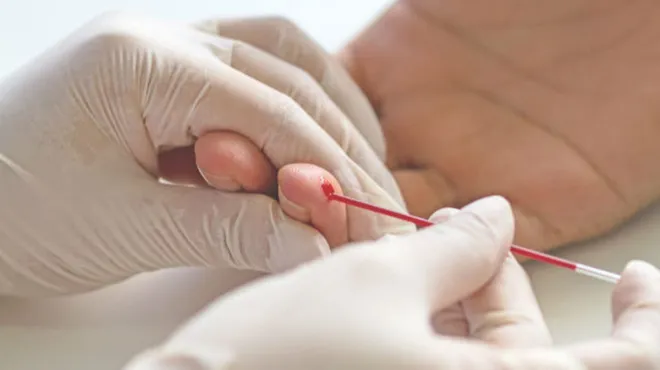
What Exactly Is Hematocrit?
Hematocrit (often abbreviated as Hct) is a fancy word for the percentage of your blood that's made up of red blood cells. These cells are essential because they carry oxygen from your lungs to every part of your body. The more red blood cells you have, the higher your hematocrit.
Normal ranges can vary a bit depending on your age, sex, and even the altitude where you live. But typically:

- Men: 41% to 50%
- Women: 36% to 44%
- Children: 32% to 44%
So, What’s Considered Dangerously Low?
Now heres the big question: when should you start worrying? Generally speaking, a hematocrit level below 25% is considered dangerously low. At this point, your body may not be getting enough oxygen, and that can lead to a whole host of serious symptoms.
Anything under 30% is often a red flag that further investigation is needed, but once you drop below 25%, you're likely in territory where medical intervention is necessary — sometimes urgently.
A video message
If you want your blood test report to be interpreted by Hematocrit specialist, you can upload your report. Our Hematocrit expert will provide you with the most accurate interpretation of your blood test results and treatment within 12 hours.Upload blood test report now
Symptoms You Shouldn’t Ignore
A low hematocrit level doesn’t always scream for attention. Sometimes, it whispers — through symptoms that might seem minor or easy to brush off. But here are a few signs your body might be telling you that your red blood cell count is too low:
- Persistent fatigue
- Shortness of breath, even with mild activity
- Dizziness or lightheadedness
- Cold hands and feet
- Pale or ashy skin tone
- Rapid heartbeat
If these sound familiar and your blood work shows low hematocrit, it’s time to talk to your doctor.
Common Causes of Low Hematocrit
Wondering why your hematocrit might be low? Here are some common culprits:
- Iron-deficiency anemia: This is the most common cause. Without enough iron, your body can’t produce sufficient red blood cells.
- Chronic diseases: Conditions like kidney disease, cancer, and autoimmune disorders can impact red blood cell production.
- Blood loss: Whether it's from surgery, injury, heavy periods, or internal bleeding, losing blood can drop your hematocrit.
- Nutritional deficiencies: Lack of vitamin B12 or folate can also interfere with red blood cell production.
- Bone marrow problems: Diseases that affect your bone marrow — like leukemia — can disrupt hematocrit levels.
What Happens If It Gets Too Low?
When hematocrit levels dip dangerously low, your organs can start to struggle. Without enough oxygen-carrying red blood cells, your body has to work overtime — and that can lead to serious issues like heart strain, cognitive problems, and even organ failure if not treated promptly.
In severe cases, you might need a blood transfusion or other urgent treatments to restore balance.
How Is It Treated?
Treatment really depends on what’s causing your hematocrit to plummet. Here are some options:
- Iron supplements or infusions: For iron-deficiency anemia.
- Vitamin therapy: If your issue is related to B12 or folate deficiency.
- Medications: Like erythropoietin to stimulate red blood cell production, especially in people with kidney issues.
- Blood transfusions: For critically low levels that need fast correction.
- Treating the underlying condition: Managing chronic diseases can help maintain healthy hematocrit levels.
A dangerously low hematocrit level — generally, anything below 38% (men) or 35% (women) — often suggests anemia, blood loss, or nutritional deficiencies. It’s important to follow up with your doctor to identify the reason and take steps to restore healthy levels.
Your hematocrit level is more than just a number on a lab report — it’s a window into your body’s ability to function properly. While there are many reasons it might be low, a dangerously low level (below 25%) is something that should never be ignored.
Listen to your body, stay informed, and dont hesitate to seek medical help when something feels off. After all, your health is worth every bit of attention.

Medically Reviewed By
Dr. Hernandez, MD
Laboratory Medicine Specialist
View Full Profile & Credentials →
Laboratory Expertise:
- Clinical Pathology Certification
- 15+ years lab analysis experience
- Specializes in test interpretation
- Medical Advisory Board Member
Reviewed by world-leading medical experts
Medical Disclaimer: This information is for educational purposes and should not replace professional medical advice. Consult your physician for diagnosis and treatment. Read full disclaimer.
Get expert medical review of your lab results