What Level of LDH Is Dangerously High? Let’s Break It Down
If you've ever stared at your blood test results and wondered, "What does LDH mean?" or even more urgently, "How high is too high when it comes to LDH?"—you're not alone. LDH, or lactate dehydrogenase, is a term that doesnt exactly roll off the tongue, but it’s an important marker your doctor may keep an eye on. Today, let's explore what dangerously high LDH levels are, why they matter, and what you should do if your results spike higher than normal.
First Things First: What Is LDH?
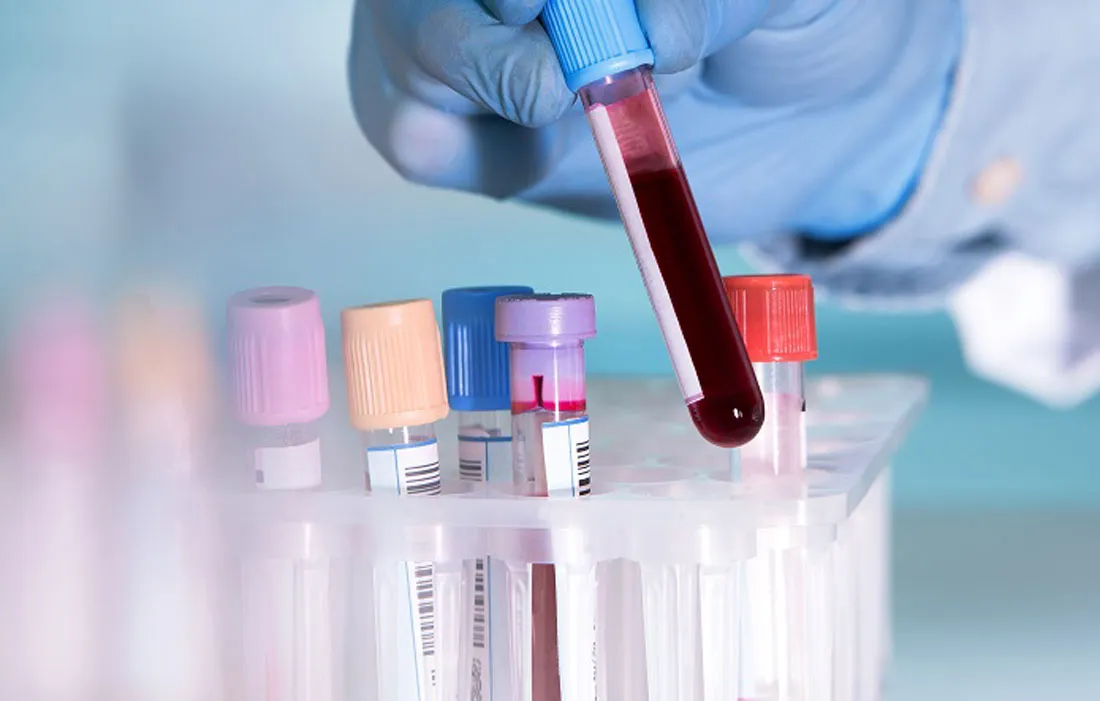
LDH stands for lactate dehydrogenase, an enzyme found in almost all the body’s cells—your heart, liver, kidneys, muscles, even your blood cells. Its main job? Helping to convert sugar into energy, especially when your body is low on oxygen. When cells are damaged or destroyed, LDH leaks into the bloodstream. So, an LDH blood test can clue doctors in to problems lurking beneath the surface.
What’s a “Normal” LDH Level?
Before we talk about what's dangerously high, let's get our bearings. Normal LDH levels depend a bit on your age and the lab’s reference range, but for adults, it usually falls between 140 and 280 units per liter (U/L). Some labs might use a slightly different range, but this gives you the ballpark.

Heres the thing: a value just above normal doesn’t necessarily spell disaster. Your LDH can go up for lots of reasons—maybe you recently exercised hard, or you had a minor infection. Context matters.
What Is Considered a Dangerously High LDH Level?
Now to the question you probably came here for: What level of LDH should set off alarm bells? While there’s no single “danger” threshold that applies to everyone, medical experts usually see a rise above two to three times the upper normal limit as significant. In practical terms, this means:
A video message
If you want your blood test report to be interpreted by LDH specialist, you can upload your report. Our LDH expert will provide you with the most accurate interpretation of your blood test results and treatment within 12 hours.Upload blood test report now
- Levels above 560-800 U/L (twice to nearly three times normal) are often a cause for concern, especially if you have symptoms or a known illness.
- LDH levels climbing above 1000 U/L are considered dangerously high and almost always warrant further investigation.
But don’t panic if you see a high number! The reasons can vary wildly—from infections to hemolysis (destruction of blood cells), to liver problems, or even certain cancers. It’s not always an emergency, but it’s definitely a sign your body needs some extra attention.
What Can Cause LDH to Skyrocket?
Wondering why your LDH could be so high? Here are some of the most common causes:
- Severe infections – Like sepsis or pneumonia, which can cause widespread cell damage.
- Liver damage – Think hepatitis, cirrhosis, or even drug-induced injury.
- Blood disorders – Hemolytic anemia, where red blood cells break down too quickly, can send LDH soaring.
- Heart attacks – When heart muscle is damaged, LDH levels shoot up.
- Cancer – Especially blood cancers (like lymphoma or leukemia) or metastasized tumors.
- Muscle injury or trauma – Serious injury can cause massive cell breakdown, releasing LDH.
Even some non-life-threatening issues, like strenuous exercise or certain medications, can cause temporary bumps in LDH.
Symptoms That Might Point to High LDH
Interestingly, high LDH itself doesn’t cause symptoms. It’s simply a sign that something else is happening in your body. If your LDH is dangerously high, you’ll usually notice symptoms related to the underlying cause, such as:
- Fever and chills (possible infection)
- Unexplained fatigue or weakness
- Yellowing of skin or eyes (jaundice, suggesting liver issues)
- Shortness of breath or chest pain (could mean heart problems)
- Pain or swelling in muscles (possible injury or muscle breakdown)
- Easy bruising or bleeding (possible blood disorder)
If you feel any of these alongside high LDH levels, it’s time to reach out to your healthcare provider—sooner rather than later.
What Should You Do If Your LDH Is Dangerously High?
First, dont panic. High LDH is a red flag, but not a diagnosis by itself. Here’s what you can do:
- Talk to your doctor right away. They may want to repeat the test, check for errors, and look at other markers.
- Be ready to share your symptoms and history. Information about recent illnesses, injuries, or medications can help narrow things down.
- Follow through with recommended tests. Depending on the situation, your doctor may suggest liver function tests, imaging, or more specific blood tests.
Ultimately, the cause of high LDH determines the urgency and treatment. Sometimes it’s an emergency—like a heart attack or sepsis. Other times, it might be a manageable condition, or even a lab fluke.
How to Lower LDH Safely
There’s no magic pill to lower LDH directly. The secret is treating the underlying problem. That might mean antibiotics for an infection, rest for an injury, or more advanced treatments if a chronic illness or cancer is involved.
Good habits—like staying hydrated, eating well, managing chronic conditions, and avoiding unnecessary strenuous exercise before a testcan help keep your numbers in check.
Final Thoughts: LDH Is a Messenger, Not the Whole Story
To wrap up: LDH is a helpful clue, not a verdict. Levels above 1000 U/L are usually considered dangerously high and need fast follow-up, but always look at the bigger picture with your healthcare team. Never ignore a significantly raised LDH, but rememberit’s just one piece of your body’s puzzle.
Still feeling worried or confused about your LDH result? The best move is always a chat with your doctor. You deserve clear answers and a plan you understand.