What Level of MCH is Dangerously High? Let’s Break It Down
So, you’ve got your blood test results back and you’re staring at those three mysterious letters: MCH. Maybe you noticed your number is higher than usual, or maybe you Googled “What level of MCH is dangerously high?” and now you’re here. Good move! Let’s walk through what MCH actually means, why it matters, and most importantly, what levels you should actually worry about.
First Things First: What Is MCH?
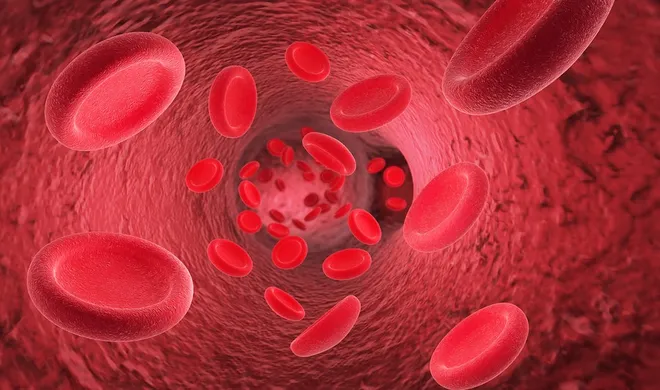
MCH stands for Mean Corpuscular Hemoglobin. Basically, it’s the average amount of hemoglobin inside each of your red blood cells. Hemoglobin is that superhero molecule in your blood that carries oxygen from your lungs to the rest of your body. So, in a way, MCH is a quick snapshot of how much “oxygen-carrying power” each of your red blood cells is packing.
When you get a routine Complete Blood Count (CBC) test, MCH is one of those values tucked into the results. If it’s out of the normal range, your doctor might take a closer look—but let’s break down what those numbers actually mean.

What’s the Normal Range for MCH?
The typical reference range for MCH in adults is about 27 to 33 picograms (pg) per cell. Keep in mind that every lab might have slight differences, but if you’re somewhere in that ballpark, you’re probably in the clear.
If your MCH is higher than 33 pg, your doctor might flag it as “elevated.” But how high is too high?
A video message
If you want your blood test report to be interpreted by MCH specialist, you can upload your report. Our MCH expert will provide you with the most accurate interpretation of your blood test results and treatment within 12 hours.Upload blood test report now
What Level of MCH Is Dangerously High?
Here’s where things get a bit more nuanced. The truth is, there isn’t a single “dangerously high” MCH number that applies to everyone, because it’s not just the number that matters—it’s the reason behind it and your overall health.
That said, if your MCH creeps above 36 pg, it’s considered significantly elevated. Very rarely, you might see values as high as 38 pg or more. At these levels, it’s a clear signal that something unusual is happening in your blood—maybe even something serious.
- Mildly High MCH: 33.1 – 35 pg (usually not “dangerous” on its own)
- Significantly High MCH: 36 pg or more (should be evaluated by a healthcare professional)
It’s important to remember that a dangerously high MCH doesn’t usually cause immediate symptoms or crises by itself. Instead, it’s a red flag that your body is dealing with an underlying problem.
Why Does MCH Get High?
Let’s get a little science-y (but not too much, promise!). High MCH usually means your red blood cells are larger than normal and carrying more hemoglobin. This can happen for a few reasons:
- Vitamin B12 or Folate Deficiency: Without enough of these nutrients, your bone marrow makes abnormally large red blood cells. These cells pack in more hemoglobin, so your MCH goes up.
- Liver Disease: The liver helps process old blood cells. If it’s not working well, it can affect red blood cell size and hemoglobin content.
- Alcohol Abuse: Heavy drinking can mess with how your body makes red blood cells.
- Thyroid Disorders: Problems with your thyroid, especially hypothyroidism, can cause your red blood cells to grow larger and inflate your MCH.
Less commonly, certain medications, bone marrow disorders, or rare genetic conditions can also push MCH levels up.
Should You Be Worried About a High MCH?
Seeing an elevated MCH can be stressful, but don’t panic! A high MCH is usually just a clue for your doctor to dig a little deeper. Alone, it doesn’t automatically mean you have a dangerous illness.
What matters most is the big picture—your other blood test results, your symptoms, your medical history, and how high your MCH actually is. Here are some key points to consider:
- No Symptoms? No Immediate Danger: If you feel fine and your MCH is just a bit above normal, your doctor will probably just keep an eye on it.
- Other Abnormal Blood Results? If you also have high MCV (cell size), low red blood cell count, or symptoms like fatigue, numbness, or memory problems, it could be a sign of something like vitamin B12 deficiency. That’s worth treating.
- Very High MCH (36 pg+)? Your doctor may want to do more tests to find the root cause.
What Should You Do If Your MCH Is High?
The most important thing? Don’t self-diagnose or panic! Only a healthcare professional can interpret what your results mean for you.
Here’s what you can do:
- Talk to your doctor about your results and symptoms (if any).
- Eat a balanced diet rich in B vitamins, iron, and folate.
- Avoid excessive alcohol intake.
- Follow up on any additional tests your doctor recommends.
Frequently Asked Questions About High MCH
1. Can stress cause high MCH?
Not directly. Stress can affect your body in lots of ways, but it doesn’t usually bump up your MCH. Diet, nutrition, and underlying medical issues are more common culprits.
2. Is a high MCH always a sign of cancer?
Nope! While some rare blood disorders or cancers can cause changes in your blood counts, the vast majority of high MCH cases are due to vitamin deficiencies or liver issues.
3. Can I lower my MCH naturally?
If your high MCH is due to vitamin deficiency, eating more foods rich in B12, folate, and iron can help. But the best approach is to treat the underlying cause with your doctor’s guidance.
A dangerously high MCH (Mean Corpuscular Hemoglobin) level — generally, anything over 33 pg — may indicate macrocytic anemia or vitamin B12 and folate deficiencies. Don’t ignore this result. Consult your healthcare provider, get further tests, and start treatment if necessary.
Key Takeaways: When Is High MCH Dangerous?
- MCH over 33 pg is considered high; over 36 pg is “significantly high.”
- High MCH isn’t a disease itself, but a sign to check for underlying issues.
- Don’t ignore persistently high MCH, especially with symptoms.
- Always talk to your doctor for a full interpretation of your results.