What Level of MCH is Dangerously Low?
So, you’ve looked at your blood test results and spotted the term MCH. Maybe it’s flagged as low, and now you’re wondering—how low is too low? Should you be worried?
Let’s break it down in simple, everyday language. No jargon, just straight talk about what MCH means and when you should start paying attention.
What Exactly Is MCH?
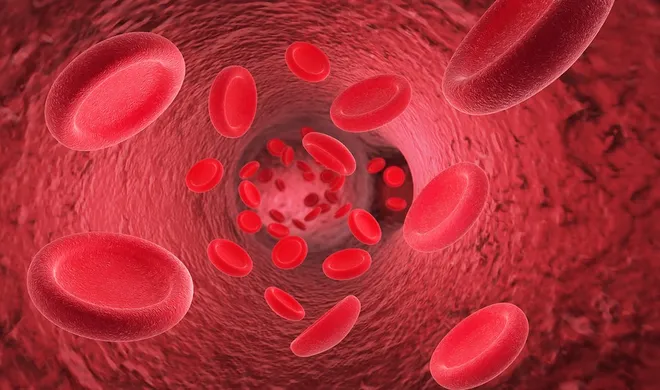
MCH stands for Mean Corpuscular Hemoglobin. It’s a measure of how much hemoglobin is in each of your red blood cells. Hemoglobin is that magical molecule that carries oxygen from your lungs to the rest of your body. If your red blood cells don’t have enough of it, your body doesn’t get the oxygen it needs to function properly.

In most labs, the normal MCH range is somewhere between 27 to 33 picograms per cell. Of course, reference ranges might vary a little depending on the lab, but that’s a good ballpark.
When Is MCH Considered Dangerously Low?
Alright, here's what you came for. While a slightly low MCH might not be a red alert, an MCH level below 26 picograms is generally considered low. But when it drops to below 25 or even into the low 20s, that’s when doctors may start to get concerned—especially if you’re experiencing symptoms.
A video message
If you want your blood test report to be interpreted by MCH specialist, you can upload your report. Our MCH expert will provide you with the most accurate interpretation of your blood test results and treatment within 12 hours.Upload blood test report now
It’s not just about the number. It’s also about how you feel. Some people may have a low MCH but feel fine, while others might feel like they’ve been hit by a truck. Your experience matters just as much as your lab results.
What Causes MCH to Drop?
There are a few usual suspects when it comes to low MCH:
- Iron-deficiency anemia: This is the most common cause. Without enough iron, your body can’t make enough hemoglobin.
- Chronic diseases: Conditions like kidney disease or inflammatory disorders can affect red blood cell production.
- Thalassemia: A genetic condition that leads to smaller red blood cells and less hemoglobin per cell.
- Vitamin B6 deficiency: Less common, but still worth mentioning.
How Does Low MCH Affect You?
When your MCH is low, your body is basically running on low battery. Some common symptoms include:
- Fatigue (we’re talking next-level tired)
- Pale skin
- Shortness of breath
- Heart palpitations
- Cold hands and feet
- Difficulty concentrating
If you’ve got a few of these going on, it’s a good idea to talk to your doctor—even if your MCH isn’t crazy low.
When Should You Worry?
Here's the deal: a one-off low MCH reading isn’t necessarily a crisis. But if it’s consistently below 25 and you’re feeling unwell, that’s your body waving a red flag.
You should definitely speak with a healthcare provider if you:
- Have an MCH level under 25
- Experience chronic fatigue or breathlessness
- Notice other abnormal blood test results (like low MCV or hemoglobin)
Your doctor may order additional tests to dig deeper—like iron studies, B12 levels, or a full anemia panel.
What Can You Do About It?
If your MCH is dangerously low, the good news is that it’s often treatable. Depending on the root cause, here’s what might help:
- Iron supplements: Especially if iron deficiency is the culprit. Be sure to take them as prescribed (and yes, they can be a little tough on the stomach).
- Diet changes: More leafy greens, red meat, lentils, and fortified cereals can boost your iron intake naturally.
- Address underlying conditions: If a chronic illness is behind your low MCH, managing that condition can help bring your levels back up.
- Regular check-ups: Monitoring your bloodwork regularly helps catch problems early and keep them from getting worse.
A dangerously low MCH (Mean Corpuscular Hemoglobin) level — generally, anything below 27 pg — often points to iron deficiency anemia or thalassemia. It’s essential to discuss this with your doctor, find out the cause, and work on correcting it.
Final Thoughts
Low MCH isn’t something to ignore, but it’s also not something to panic about. Think of it as a heads-up from your body. The key is to look at the whole picture—your symptoms, your other lab results, and how you’re feeling overall.
If your MCH level is dipping into the low 20s or below, that’s a sign to take action. Talk to your healthcare provider, get the right tests, and work on a treatment plan that fits your lifestyle.
Remember, you know your body best. Trust your instincts and don’t be afraid to ask questions. The more you know, the better equipped you are to take control of your health.