What Level of PCV Is Dangerously High? A Complete Guide
Have you ever come across your blood test report and noticed the term "PCV" or "Packed Cell Volume" and wondered what it means? If so, you're not alone. PCV is a vital parameter in your blood test, but most people don’t know what number is considered dangerously high or why it even matters. In this article, let’s chat about what PCV actually is, how high is “too high,” why it gets elevated, and what you should do if your numbers are off the charts.
Understanding PCV: The Basics
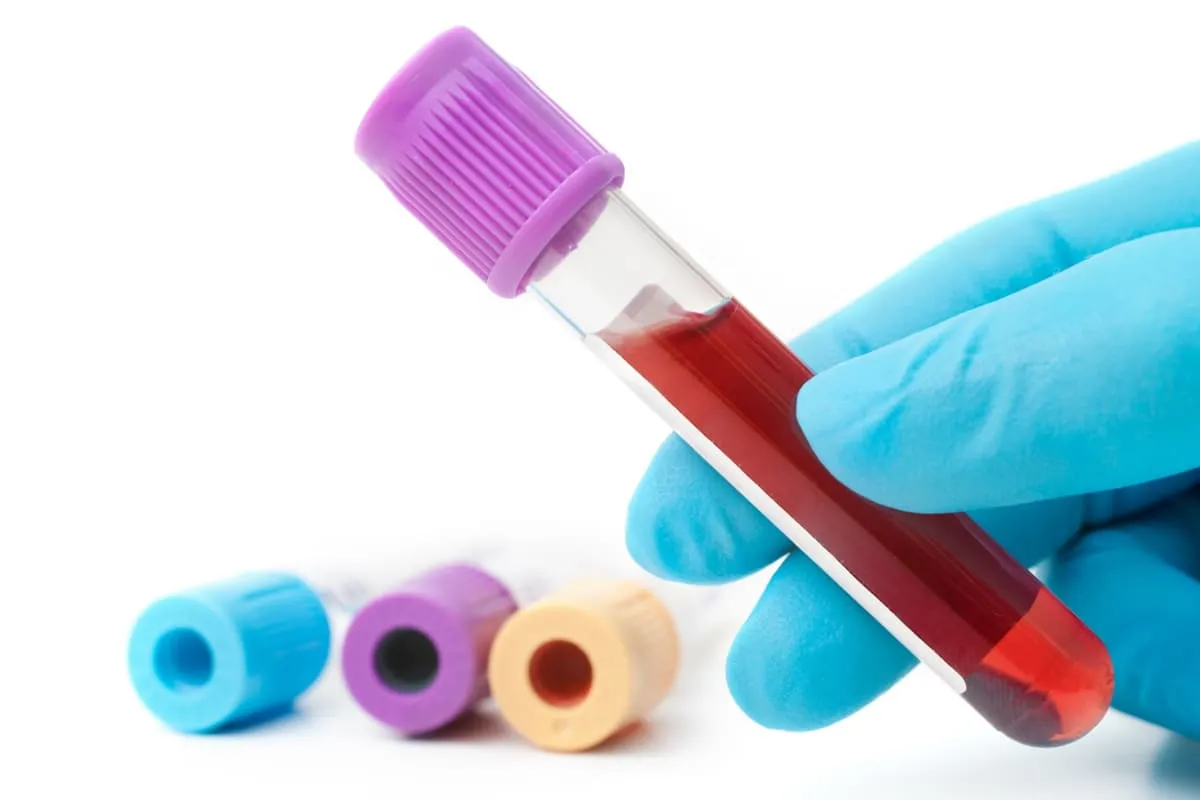
PCV stands for Packed Cell Volume, and you might also hear it called hematocrit. It’s basically a measure of how much of your blood is made up of red blood cells. The higher your PCV, the thicker your blood. And that can be both good and bad, depending on the situation!
For adults, the “normal” PCV range is usually about 38% to 50% for men and 35% to 47% for women. These ranges can vary a little bit depending on your age, sex, and the lab doing your test. But when your PCV starts creeping up above these numbers—especially over 52% for men or 48% for women—doctors start paying attention.

So, What PCV Level Is Dangerously High?
Let’s cut to the chase: a PCV that goes above 55% is generally considered dangerously high for adults. At this point, your blood is thick enough to raise the risk of serious complications, like blood clots, strokes, or even heart attacks. For reference, most doctors get concerned if they see:
- Men: PCV > 54-55%
- Women: PCV > 49-50%
But don’t panic if your numbers are just a little high! Sometimes, the body naturally fluctuates, and things like dehydration can spike your PCV temporarily. Whats truly dangerous is when high PCV is sustained or caused by an underlying condition.
A video message
If you want your blood test report to be interpreted by PCV specialist, you can upload your report. Our PCV expert will provide you with the most accurate interpretation of your blood test results and treatment within 12 hours.Upload blood test report now
Why Is High PCV Dangerous?
When your PCV is too high, it means your blood is more concentrated—think of it like syrup instead of juice. Thicker blood is harder for your heart to pump, and it moves more slowly through your vessels. This increases your risk for:
- Blood clots
- Deep vein thrombosis (DVT)
- Heart attack
- Stroke
- Organ damage due to poor circulation
None of these are minor issues. That’s why doctors take high PCV seriously, especially if you have other risk factors like high cholesterol, smoking, or a family history of heart disease.
What Causes PCV to Go Dangerously High?
You might be wondering, “Why would my PCV get so high in the first place?” Good question! There are a few common reasons:
- Dehydration: Not drinking enough water can make your blood more concentrated.
- Polycythemia vera: This is a rare blood disorder where your body just makes too many red blood cells for no good reason.
- Chronic lung diseases: Conditions like COPD can cause your body to pump out more red blood cells to carry extra oxygen.
- Living at high altitudes: Your body compensates for lower oxygen by making more red cells.
- Certain tumors: Some cancers, especially kidney tumors, can make hormones that drive up red cell production.
Some of these causes are temporary and fix themselves. Others need real medical attention.
What Are the Symptoms of Dangerously High PCV?
A lot of people with high PCV don’t feel anything—at first. But if your PCV stays dangerously high, you might notice:
- Headaches
- Blurred vision
- Dizziness or lightheadedness
- Red or flushed skin, especially on your face
- Fatigue or weakness
- Nosebleeds or bleeding gums (in severe cases)
- Itchy skin, especially after a hot shower
If you have any of these symptoms—especially with a high PCV number—don’t ignore them. Get checked out by a doctor.
How Do Doctors Treat Dangerously High PCV?
If your PCV is dangerously high, your healthcare provider will figure out why it’s happening and treat the underlying cause. Here are some common approaches:
- Treating dehydration: Sometimes, it’s as simple as drinking more fluids.
- Medications: Drugs like hydroxyurea or aspirin may be used to lower red cell production or prevent clots.
- Phlebotomy: This is just a fancy term for drawing some of your blood out, which literally lowers your PCV.
- Managing underlying diseases: For example, treating lung disease or tumors if those are the cause.
Never try to self-treat. High PCV needs a doctor’s guidance because the risks are real, and treatment depends on the cause.
Tips for Keeping Your PCV in a Healthy Range
Worried about your blood getting too thick? Here are some quick tips to keep your PCV in check:
- Stay hydrated—water is your best friend.
- Don’t smoke, and avoid secondhand smoke.
- Get regular exercise to keep your heart and blood healthy.
- If you live at high altitude, talk to your doctor about regular blood tests.
- Eat a balanced diet, especially if you have health conditions that can affect your blood.
When Should You See a Doctor?
If you see a high PCV number on your lab results—or you’re feeling any symptoms like headaches, dizziness, or unexplained fatigueit’s smart to check in with your doctor. Even if you feel fine, don’t ignore a number thats outside the normal range. Sometimes, a quick intervention can prevent something much more serious.
A dangerously high PCV (Packed Cell Volume) — generally, anything over 55% (men) or 48% (women) — may indicate dehydration, chronic lung disease, or polycythemia vera. Don’t take this lightly. Consult your healthcare provider, get further testing, and take steps to manage the underlying cause.
Wrapping Up: Your Health, Your Blood
To sum it all up: a dangerously high PCV is typically anything above 55% for adults. It’s not something you want to ignore, since it can make your blood too thick and increase your risk for clots, heart attack, or stroke. The best move? Keep an eye on your bloodwork, know the signs, and never hesitate to ask your healthcare provider questions.
After all, when it comes to your health, it’s always better to be proactive than reactive!