What Level of PCV is Dangerously Low?
Your go-to guide to understanding PCV levels and when to be concerned
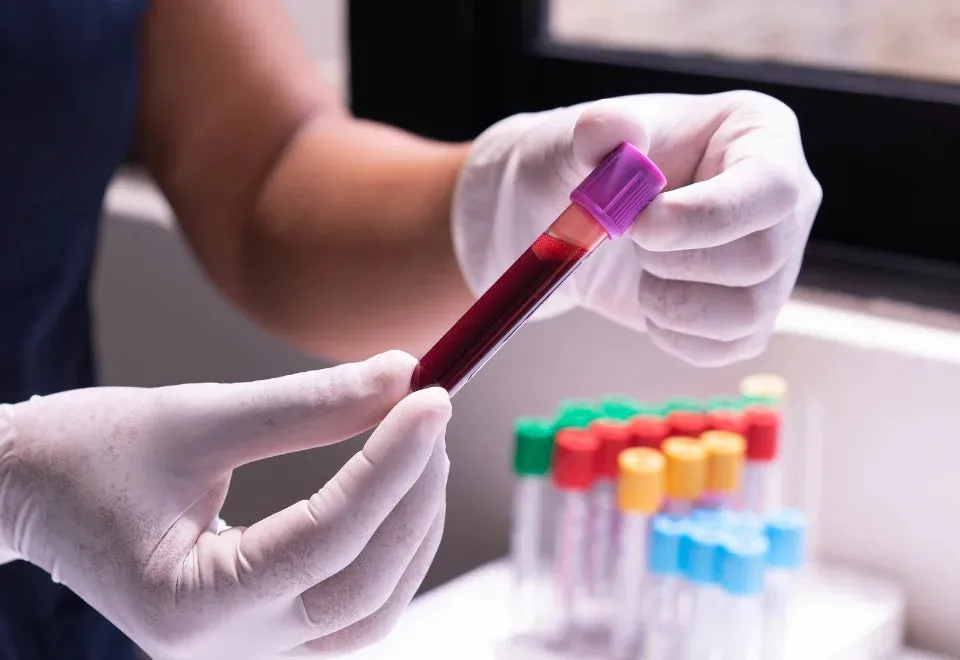
Let’s Start With the Basics: What is PCV?
If you've ever glanced at your blood test results and spotted something called PCV or Packed Cell Volume, you’re not alone in wondering what it actually means. PCV measures the proportion of red blood cells (RBCs) in your blood. Essentially, it tells you how much of your blood is made up of these oxygen-carrying cells.
A normal PCV range depends on factors like age, gender, and overall health. For most adults, the typical range is:

- Men: 40% to 54%
- Women: 36% to 48%
- Children: 35% to 45%
So, What’s Considered Dangerously Low?
Here’s the part you really came for. Generally speaking, a PCV level below 30% starts raising red flags. But when it dips below 21%, that’s when doctors consider it dangerously low—a potential medical emergency.
This level indicates that your body may not be getting the oxygen it needs, and vital organs can begin to suffer. It’s not just a number—it’s your body’s cry for help.
A video message
If you want your blood test report to be interpreted by PCV specialist, you can upload your report. Our PCV expert will provide you with the most accurate interpretation of your blood test results and treatment within 12 hours.Upload blood test report now
Why Does a Low PCV Matter?
Red blood cells play a huge role in transporting oxygen from your lungs to every single cell in your body. If your PCV is too low, that oxygen transport gets compromised. Think of it like this: You’ve got a delivery service (your blood), but not enough trucks (RBCs) to deliver the packages (oxygen).
This can lead to symptoms like:
- Fatigue that never seems to go away
- Shortness of breath, even when you’re resting
- Dizziness or light-headedness
- Rapid heartbeat
- Pale or yellowish skin
These signs aren’t just inconvenientthey’re your body’s way of signaling that something serious might be going on.
What Causes PCV to Drop?
There’s no one-size-fits-all answer, but here are some common culprits:
- Iron-deficiency anemia – A common condition, especially in women and vegetarians
- Blood loss – Could be from surgery, injury, or internal bleeding
- Chronic diseases – Conditions like kidney disease or cancer can lower PCV
- Nutritional deficiencies – Low levels of B12 or folate can also be to blame
- Bone marrow disorders – If your marrow isn’t making enough RBCs, your PCV drops
How is Low PCV Diagnosed?
Diagnosing low PCV is pretty straightforward with a complete blood count (CBC) test. This common blood test provides a snapshot of your blood's health, including RBCs, hemoglobin, and hematocrit (another term for PCV).
If your PCV is low, your healthcare provider might order more tests to find out why. These could include iron studies, vitamin levels, or even imaging studies if internal bleeding is suspected.
Can You Raise Your PCV Naturally?
Good news—you often can. Here are some natural steps that might help raise your PCV levels:
- Eat iron-rich foods like spinach, red meat, lentils, and fortified cereals
- Take vitamin C to enhance iron absorption
- Get plenty of folate and vitamin B12 from leafy greens, eggs, and dairy
- Stay hydrated, as dehydration can skew PCV readings
- Limit alcohol, which can interfere with red blood cell production
Of course, if your PCV is dangerously low, lifestyle changes may not be enough. That’s where medical intervention comes in.
When to See a Doctor
If you’re feeling constantly tired, out of breath, or just not yourself—and especially if you’ve had recent blood loss or a chronic illness—it’s time to get checked out. Low PCV isn’t something to brush off.
Your doctor might recommend treatments like iron supplements, dietary changes, or in severe cases, blood transfusions. The key is not to wait.
A dangerously low PCV (Packed Cell Volume) — generally, anything below 38% (men) or 35% (women) — often suggests anemia, blood loss, or poor nutrition. It’s important to follow up with your doctor, find the cause, and take action to restore healthy PCV levels.
Final Thoughts: Keep an Eye on Your Blood Health
Your PCV level might seem like just a number on a lab report, but it holds important clues about your overall health. Knowing what’s dangerously low—typically below 35% can help you take action early and avoid serious complications.
If in doubt, talk to your healthcare provider. Better to ask questions now than face a crisis later. Stay informed, stay healthy.