What Level of Platelet Distribution Width Is Dangerously High?
If you’ve recently had a blood test and noticed something called “Platelet Distribution Width” (PDW) on your results, you’re not alone. Most people are familiar with platelets—the little cells that help your blood clot. But PDW? That’s a head-scratcher for many. So let’s break down what PDW actually is, why it matters, and most importantly, what levels are considered dangerously high.
Understanding Platelet Distribution Width (PDW): It’s Not Just a Number!
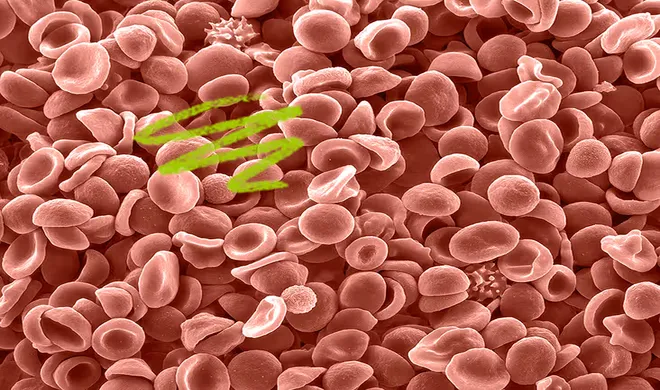
First things first: Platelet Distribution Width isn’t about how many platelets you have. Instead, it measures how varied your platelets are in size. Think of it like a fruit basket—if all your apples are about the same size, there’s low variability. But if you have tiny apples and huge apples, there’s a lot more variety. PDW captures this “variety” in your blood.
So, why does size matter? Because unusually sized platelets might be a sign that your body is producing new platelets at a rapid rate (maybe to replace ones that have been used up) or that there’s some underlying issue causing abnormal production.

What’s a “Normal” PDW?
In most labs, a typical PDW falls between 9% and 17%. You might see some slight variation depending on the lab and their reference range, but that’s the ballpark.
- Low PDW: Usually means your platelets are all about the same size.
- Normal PDW: Healthy mix—your body is likely functioning as it should.
- High PDW: There’s more variation in platelet size, which could be a red flag.
So, What Level of PDW Is Considered Dangerously High?
Here’s the truth: there isn’t a magic number that’s universally “dangerous” for everyone. Medicine is rarely that black and white. But here’s what doctors generally look for:
A video message
If you want your blood test report to be interpreted by Platelet distribution width specialist, you can upload your report. Our Platelet distribution width expert will provide you with the most accurate interpretation of your blood test results and treatment within 12 hours.Upload blood test report now
If your PDW is above 17%, that’s usually flagged as higher than normal. Sometimes you’ll see readings in the high teens or even over 20%. When PDW starts climbing above 18% or 19%, especially when paired with symptoms or other abnormal blood results, it’s definitely time to pay attention.
But, context is everything. A PDW of 18% in someone who feels great and has otherwise normal labs might not mean anything scary. On the flip side, a similar number in someone with symptoms like unexplained bruising or fatigue could mean more.
Why Would My PDW Be High?
Platelets vary in size for all sorts of reasons. Here are some common causes of elevated PDW:
- Active Infections: When your body is fighting something off, it cranks out more platelets—often of different sizes.
- Inflammation: Ongoing inflammation can disrupt how platelets are produced.
- Blood Disorders: Things like immune thrombocytopenic purpura (ITP), myeloproliferative diseases, or anemia can lead to changes in platelet size distribution.
- Recovery After Major Bleeding: If you’ve lost blood recently, your body might quickly pump out new platelets of varying sizes.
- Liver or Kidney Problems: These organs help regulate blood and can indirectly affect your platelets.
Again, just because your PDW is up doesn’t automatically mean something’s wrong. But it’s a clue your doctor can use to look deeper.
Should I Be Worried If My PDW Is Dangerously High?
It’s completely normal to worry when you see an abnormal lab result. But remember, PDW is just one piece of your health puzzle. Doctors rarely make decisions based on PDW alone. They’ll look at your other blood counts, your symptoms, and sometimes repeat the test to make sure it wasn’t just a fluke.
If your PDW is over 18% or 19%, especially if you’re experiencing symptoms like:
- Easy bruising or unexplained bleeding
- Chronic fatigue
- Unusual headaches
- Frequent nosebleeds
… it’s time to talk with your doctor. These symptoms, combined with a high PDW, could be a sign of a more serious blood disorder or other medical issue that needs attention.
What Happens If You Ignore a Dangerously High PDW?
If a dangerously high PDW goes unchecked, it might mean an underlying condition isn’t being treated. Some potential complications include:
- Increased risk of blood clots
- Uncontrolled bleeding
- Progression of undiagnosed blood disorders
- Worsening organ function (if caused by liver/kidney issues)
That’s why doctors take abnormal PDW seriously, even if it’s not a diagnosis by itself.
What Should You Do Next?
If your PDW is high, don’t panic. Here’s a simple checklist:
- Review your complete blood count (CBC) with your doctor—are any other values off?
- Share any new or unusual symptoms you’ve noticed, even if they seem minor.
- Ask if a repeat test or additional work-up is needed.
- Follow up as recommended. Sometimes, a single abnormal PDW isn’t a big deal—your doctor may just want to keep an eye on it.
And of course, don’t try to self-diagnose. Google is great, but it can’t replace professional medical advice.
A dangerously high platelet distribution width (PDW) — generally, anything over 17 fL — may suggest increased platelet activation, inflammation, or certain bone marrow disorders. Don’t ignore this result. Consult your healthcare provider, get further testing, and address any underlying issues.
In Summary: How High Is Too High?
In most cases, a PDW over 17% is considered elevated. If you’re above 18% or 19% and have other abnormal labs or symptoms, your doctor will want to investigate further. But it’s not a standalone sign of danger—just one clue that can point to what’s going on inside your body.
The best approach? Stay curious, stay calm, and stay in touch with your healthcare provider. Blood results are important, but they’re just one part of your health story.