Understanding Platelet Distribution Width (PDW)
Have you recently looked at your blood test results and stumbled upon something called PDW, or Platelet Distribution Width? If so, you're not alone. It's one of those medical terms that often flies under the radar—until it doesn't. Let's unpack it in a way that makes sense.
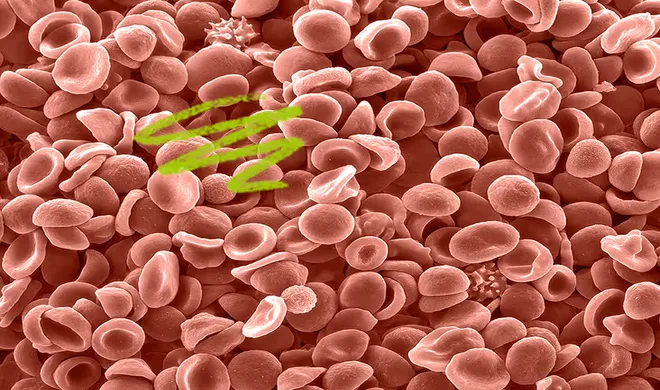
PDW is a measurement that tells us how varied your platelets are in size. Platelets, also known as thrombocytes, are those tiny, disc-shaped cells that help your blood clot. When you get a cut, they're the first responders. The more variation in platelet size, the higher your PDW. And when that variation is too low—well, that could be a red flag.
So, What’s Considered a Low PDW?
Normal PDW values usually range between 9% and 14%. If your PDW falls below this range, particularly below 9%, it's considered low. But when does "low" become dangerously low? The short answer: it depends on the context, but typically a PDW lower than 7% could be a cause for concern, especially when accompanied by other abnormal blood counts.

However, don’t panic just yet. A single low PDW reading isn’t a diagnosis. Think of it more as a clue in the larger mystery of your overall health.
Why Is a Low PDW a Big Deal?
A low PDW can mean that your platelets are too similar in size, which might suggest a bone marrow issue or a lack of platelet production. Conditions like aplastic anemia, viral infections, or certain medications can contribute to this.
A video message
If you want your blood test report to be interpreted by Platelet distribution width specialist, you can upload your report. Our Platelet distribution width expert will provide you with the most accurate interpretation of your blood test results and treatment within 12 hours.Upload blood test report now
When your body isn’t producing a healthy mix of platelets, you’re more vulnerable to bleeding, bruising, and longer recovery from even minor injuries.
Symptoms That Might Accompany Low PDW
Here’s where your body becomes a storyteller. Some signs that your PDW may be too low include:
- Frequent or unexplained bruising
- Prolonged bleeding from minor cuts
- Nosebleeds or bleeding gums
- Unusual fatigue or weakness
- Small red spots on the skin (petechiae)
If you’re experiencing these symptoms, it’s worth speaking with your healthcare provider—especially if they show up alongside a low PDW reading.
What Causes Dangerously Low PDW Levels?
Let’s take a look at some common culprits:
- Bone marrow disorders: These include conditions like leukemia or aplastic anemia.
- Viral infections: Viruses such as hepatitis C or HIV can affect platelet production.
- Medications: Chemotherapy drugs or even some antibiotics can suppress platelet formation.
- Nutritional deficiencies: Lack of folate or vitamin B12 can interfere with healthy blood cell production.
- Autoimmune diseases: Lupus and other conditions may cause the immune system to attack platelets.
How Is Low PDW Diagnosed?
PDW is typically discovered through a Complete Blood Count (CBC). Your doctor may follow up with more specific tests depending on the overall context—especially if other counts like platelet number, mean platelet volume (MPV), or white blood cells are also out of range.
The goal isn’t just to raise the PDW—it’s to understand why it’s low in the first place.
Treatment: Can You Fix Low PDW?
The good news? Yes, but the solution depends entirely on the root cause. For example:
- If it’s due to a nutritional deficiency, supplements and dietary changes can help.
- In the case of infections, treating the underlying illness often improves your PDW.
- For serious bone marrow disorders, more intensive treatment like bone marrow transplants or medication might be needed.
Your doctor might also monitor your PDW over time rather than jumping into treatment right away. It all comes down to the bigger picture.
When Should You Worry?
If your PDW dips below 7% and is coupled with symptoms like fatigue, frequent bruising, or bleeding, it’s time to consult your healthcare provider. Don’t rely solely on numbers—how you feel matters just as much.
Also, watch how PDW interacts with other platelet-related numbers. Low PDW paired with low platelet count (thrombocytopenia) is more concerning than low PDW alone.
A dangerously low platelet distribution width (PDW) — generally, anything below 9 fL — is uncommon but may point to bone marrow suppression or a uniform platelet population. Its important to follow up with your doctor to determine the cause and take appropriate action.
Takeaway: Listen to Your Blood, But Don’t Panic
In the end, PDW is one piece of a very complex puzzle. A low PDW—especially one that dips under 9% is worth paying attention to, but it’s not a cause for instant alarm. Your best approach? Stay informed, pay attention to your symptoms, and have an open conversation with your healthcare provider.
After all, your body talks to you in many ways. Sometimes, it just whispers through your blood test results.