What Level of Plateletcrit is Dangerously High? Let’s Talk About It!
Ever glanced at your blood test results and wondered, “Wait, what’s *plateletcrit*?” If you’re scratching your head, don’t worry. You’re not alone! Let’s take a friendly dive into what plateletcrit is, why it matters, and when you should be concerned about it being too high.
First Things First: What is Plateletcrit?
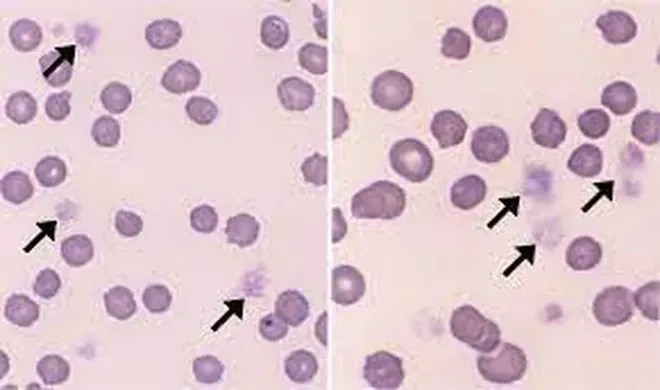
Plateletcrit (often shortened as PCT) isn’t a household name—most people know about red and white blood cells, but platelets and their metrics don’t always get the spotlight. Plateletcrit is actually pretty similar to hematocrit, which measures the percentage of your blood made up by red blood cells. Plateletcrit, on the other hand, shows the percentage of your blood made up by platelets. Platelets are tiny, cell-like particles that help your blood clot. So, they’re essential for stopping bleeding, healing injuries, and maintaining overall blood health.
Why Do Doctors Measure Plateletcrit?
Your doctor might order a plateletcrit test if you’re dealing with unexplained bruising, frequent nosebleeds, or if you have a condition that could affect your platelets (like a bone marrow disorder). Plateletcrit isn’t always a routine test, but when it is measured, it can provide a clearer picture of what’s going on in your blood.

While platelet count (the number of platelets) is the more common metric, plateletcrit gives a fuller story because it considers both the count and the size of your platelets. It’s sort of like comparing just the number of cars on a road versus the total space they occupy!
What’s a “Normal” Plateletcrit Range?
Now, let’s talk numbers. For most healthy adults, plateletcrit values usually fall somewhere between 0.22% and 0.24%. Keep in mind, these ranges can vary slightly depending on the laboratory and the measuring equipment. What matters most is your result in the context of your overall health, so never interpret lab numbers in isolation.

If you want your blood test report to be interpreted by Plateletcrit specialist, you can upload your report. Our Plateletcrit expert will provide you with the most accurate interpretation of your blood test results and treatment within 12 hours.Upload blood test report now
When is Plateletcrit Considered Dangerously High?
Here’s where things get interesting. There isn’t a universal number where plateletcrit goes from “fine” to “dangerously high,” but most labs consider values above 0.35% as high. If your plateletcrit climbs above 0.5%, that’s when eyebrows are definitely raised.
Danger doesn’t just depend on the number, though—it also depends on what’s causing the rise. In medical terms, high plateletcrit is called thrombocytosis. If you have a plateletcrit above 0.5%, especially if it’s paired with symptoms or other abnormal blood tests, your doctor will probably want to dig deeper.
What Happens if Plateletcrit Gets Too High?
Having too many platelets (and a high plateletcrit) can make your blood more “sticky.” This increases your risk of blood clots, which can lead to serious problems like strokes, heart attacks, or deep vein thrombosis (DVT). Think of it as having too much traffic on the road—sooner or later, there could be a jam, and that’s not good for anyone.
Sometimes, high plateletcrit is reactive, meaning it’s your body’s response to something like an infection, inflammation, iron deficiency, or recent surgery. But sometimes, it’s due to a blood disorder that makes your bone marrow produce too many platelets without a good reason.
What Symptoms Should You Watch Out For?
Oddly enough, many people with high plateletcrit feel perfectly normal. But some might experience:
- Headaches or dizziness
- Vision changes
- Chest pain or shortness of breath
- Unexplained bruising or bleeding
- Tingling or numbness in hands and feet
If your doctor tells you your plateletcrit is high and you have any of these symptoms, don’t ignore them—get checked out promptly.
Why Does Plateletcrit Go Up?
The list of causes is surprisingly long. Some of the most common reasons include:
- Infections (especially severe or chronic ones)
- Chronic inflammation (like rheumatoid arthritis)
- Iron deficiency anemia
- Splenectomy (having your spleen removed)
- Some cancers or bone marrow disorders (like essential thrombocythemia)
- Acute blood loss or recovery from bleeding
Some of these causes are more serious than others. That’s why context—and a good doctor—matter so much!
How is Dangerously High Plateletcrit Treated?
If your plateletcrit is dangerously high, your doctor will try to find and treat the underlying cause. Sometimes it’s as simple as treating an infection or addressing iron deficiency. In more serious cases, medications that lower platelet production or prevent clotting (like aspirin or hydroxyurea) may be prescribed.
Regular monitoring is important, and in some rare cases, procedures to physically remove platelets from your blood (called plateletpheresis) might be considered.
What Can You Do to Keep Plateletcrit in a Healthy Range?
Most people don’t need to obsess over their plateletcrit. But, if you’re at risk or have a condition that affects your blood, you can help keep things in check by:
- Following your doctor’s advice and taking medications as prescribed
- Eating a balanced diet with enough iron and vitamins
- Staying hydrated
- Avoiding smoking and excessive alcohol
- Letting your doctor know if you develop any new symptoms
When Should You Worry?
If you see a high plateletcrit on your blood test, don’t panic. A single test result isn’t the whole story. Look for patterns over time, consider your symptoms, and always chat with your healthcare provider. They’re the real experts in interpreting what your numbers mean for you.
Remember: Dangerously high plateletcrit is rare, and usually there’s an underlying reason your doctor can identify and manage.
A dangerously high plateletcrit (PCT) level — generally, anything over 0.4% — may be linked to thrombocythemia, inflammation, or certain bone marrow disorders. Don’t overlook this result. Speak with your healthcare provider, get additional tests, and address the underlying cause promptly.