What Level of Prothrombin Time is Dangerously Low?
Everything you need to know about low PT levels and why they matter.
Let’s Start With the Basics: What is Prothrombin Time (PT)?
Before we jump into the danger zone, let’s take a quick detour to understand what Prothrombin Time, or PT, actually is. PT is a blood test that tells your doctor how long it takes for your blood to clot. Think of it as a timer for your body's emergency patch kit. If it's too fast or too slow, you could run into problems.
Normal PT Range: What’s Considered Healthy?
Most labs consider a normal PT range to be between 11 to 13.5 seconds. Now, that number might vary slightly depending on the lab or the methods used, but it’s a good ballpark. PT is often reported alongside the INR (International Normalized Ratio), especially for folks on blood thinners like warfarin.

So, What Counts as Dangerously Low Prothrombin Time?
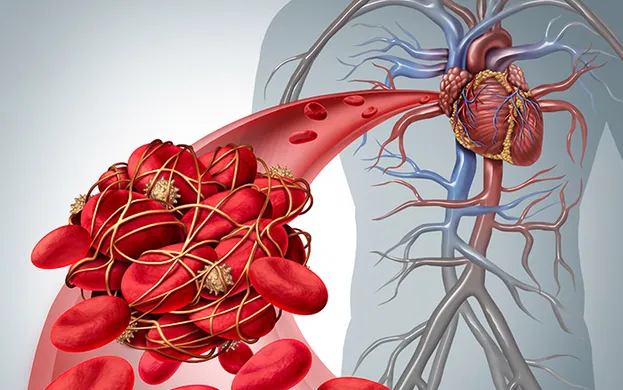
Here’s where things get serious. A low PT means your blood clots too quickly. While we often hear about the dangers of excessive bleeding, overly fast clotting can also spell trouble. A PT below 10 seconds could be a red flag, especially if it dips toward 8 seconds or less.
At that point, you might be facing a higher risk of developing blood clots in your veins or arteries, which could lead to things like strokes or deep vein thrombosis (DVT). It’s like driving a car where the brakes engage too fast—you lose control in a different, but equally dangerous way.
A video message
If you want your blood test report to be interpreted by Prothrombin time specialist, you can upload your report. Our Prothrombin time expert will provide you with the most accurate interpretation of your blood test results and treatment within 12 hours.Upload blood test report now
What Causes PT to Drop Dangerously Low?
- Excessive vitamin K: This vitamin helps the liver make clotting factors. Too much of it can tip the balance toward overly quick clotting.
- Certain medications: Hormone therapy or supplements that influence liver enzymes can shorten PT.
- Genetic clotting disorders: Conditions like Factor V Leiden mutation can naturally lower PT.
- Dehydration or high red cell counts: Less plasma can mean faster clotting.
Symptoms to Watch For
Unlike prolonged PT, where symptoms are often about bleeding, a dangerously low PT might be sneakier. You might experience:
- Sudden leg pain or swelling (possible DVT)
- Chest pain or shortness of breath (could indicate a pulmonary embolism)
- Unexplained headaches or dizziness (watch out for strokes)
What Should You Do If Your PT Is Too Low?
First of all—don’t panic. If you’re feeling okay but you’ve got blood test results that show a very low PT, it’s time to work closely with your doctor. They might recommend:
- Adjusting medications that could be affecting clotting
- Reevaluating your diet, especially if you’re taking vitamin K supplements
- Ordering further tests to check for genetic clotting conditions
If you’re experiencing symptoms or have other health issues, hospitalization might be necessary to monitor and manage your clotting factors more carefully.
Can Low PT Be Prevented?
In some cases, yes. Keeping a balanced diet, staying hydrated, and avoiding self-medicating with supplements can help. If you’re on any medications, make sure to follow up regularly with your healthcare provider to monitor your clotting time.
A dangerously low prothrombin time (PT) — generally, anything below 10 seconds suggests your blood is clotting faster than normal. This may increase the risk of clots and could be linked to certain conditions or high vitamin K levels. It’s important to discuss this with your doctor and take appropriate action if needed.
Takeaway: When is Low PT Really Dangerous?
To wrap things up, a PT level dipping below 10 seconds—especially approaching 8 or less—should raise some eyebrows. It doesn’t automatically mean you’re in danger, but it does mean your body is clotting more quickly than usual, and that can lead to serious complications.
It’s always better to catch these changes early. So if you’ve had a recent PT test that looks off, don’t brush it off. Have a chat with your doctor, dig into the root cause, and take steps to keep your blood flow balanced and safe.