What Level of Random Blood Glucose Is Dangerously High?
Have you ever checked your blood sugar, seen a high number, and wondered, “Is this dangerously high?” You’re not alone. Random blood glucose checks can sometimes reveal numbers that make us anxious, especially if you’re managing diabetes or just had a routine check at the doctor’s office. So, what’s the magic number where things get serious? Let’s break it down together.
 Understanding Random Blood Glucose: Not Just a Number Game
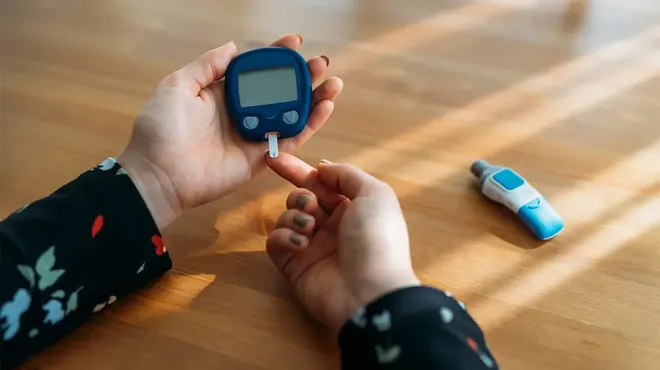
First things first: what is a “random blood glucose” test? Unlike fasting blood sugar or tests done after a meal, a random blood glucose check can happen at any time, regardless of when you last ate. That’s why the “safe” range is a bit wider.
For most healthy adults, a random blood sugar level usually falls somewhere between 70 and 140 mg/dL (milligrams per deciliter). But life isn’t always textbook perfect. Levels can bounce around depending on stress, illness, food, activity, or even a rough night’s sleep.
Decode Your
Blood Report
Instantly
Upload your complete blood work — we analyze every abnormal AND normal marker to deliver a comprehensive clinical report: risk levels, follow-up tests, medications to take or avoid, when to retest, a lifestyle plan, questions to ask your doctor, possible consequences of ignoring the results, and your personalised action timeline.
Clinical Interpretation
Medication Warnings
When to Retest
Follow-Up Tests and more..
When Is High Blood Sugar Actually Dangerous?
Decode Your Blood Report Instantly
Upload your complete blood work — we analyze every abnormal AND normal marker to deliver a comprehensive clinical report: risk levels, follow-up tests, medications to take or avoid, when to retest, a lifestyle plan, questions to ask your doctor, possible consequences of ignoring the results, and your personalised action timeline.
So, let’s get to the heart of the question: what number is dangerously high? Generally speaking, a random blood glucose reading above 200 mg/dL should grab your attention, especially if youre feeling unwell. At this point, the risk of short-term complications goes up, even if you don’t have diabetes.
- Above 180 mg/dL: This is considered higher than normal after eating, but not always an emergency. If it’s a one-off, don’t panic.
- Above 200 mg/dL: Now you’re entering the danger zone. If you’re consistently above this level or have symptoms (we’ll talk about those soon), it’s time to take action.
- Over 300 mg/dL: This is very high. Seek medical advice, even if you feel okay.
- 400 mg/dL or higher: This can be life-threatening. Don’t wait—contact your healthcare provider or go to the ER.
A video message
If you want your blood test report to be interpreted by Random blood glucose specialist, you can upload your report. Our Random blood glucose expert will provide you with the most accurate interpretation of your blood test results and treatment within 12 hours.Upload blood test report now
Symptoms: Your Bodys Alarm SystemNumbers are important, but how you feel matters just as much. Dangerously high blood sugar (hyperglycemia) can show up in subtle or obvious ways. Some warning signs to look out for include:
- Extreme thirst
- Frequent urination
- Blurry vision
- Fatigue or weakness
- Dry mouth or skin
- Unexplained weight loss (over time)
- Confusion or difficulty concentrating
- Nausea or vomiting (in severe cases)
If you have symptoms plus a blood sugar reading over 200 mg/dL, it’s not just a “bad day”—it’s a red flag that needs attention.
Who Is Most at Risk for Dangerous Blood Sugar Levels?
Some people are more likely to experience dangerously high blood sugar. If you’re living with type 1 or type 2 diabetes, high readings are more common, especially if you’re sick, stressed, or missed a dose of medication. But high random blood glucose can also hit people who don’t know they have diabetes—sometimes as the first sign!
Other risk factors include:
- Obesity
- Sedentary lifestyle
- Family history of diabetes
- Use of certain medications (like steroids)
- Chronic illnesses or infections
Complications: Why High Blood Sugar Can’t Be Ignored
You might wonder, “What’s the worst that could happen if my blood sugar stays high for a while?” In the short term, dangerously high blood sugar can lead to a condition called diabetic ketoacidosis (DKA) in type 1 diabetes, or a similar state called hyperosmolar hyperglycemic syndrome (HHS) in type 2. Both are medical emergencies.
Over time, persistently high blood sugar can damage blood vessels, nerves, eyes, and kidneys. This is why it’s so important not just to focus on today’s number, but to look at the bigger picture.
What To Do If Your Blood Sugar Is Dangerously High
Let’s talk action steps. If you see a number over 200 mg/dL on your random blood glucose test and you’re feeling unwell:
- Stay calm. Stress can make things worse.
- Drink water—unless you’re told not to by your doctor.
- Double-check your blood sugar to confirm the reading.
- If you take diabetes medication, follow your healthcare provider’s advice for “sick day” management.
- If your blood sugar is over 300 mg/dL, or you have symptoms like vomiting, confusion, or rapid breathing, seek medical attention immediately.
Don’t try to tough it out or wait until tomorrow—high blood sugar is a sign your body needs help now.
How to Prevent Dangerous Spikes in Blood Sugar
Prevention is better than any cure. Here are some practical tips to keep your random blood glucose in a safer range:
- Stick to regular meal times (and don’t skip breakfast!)
- Include physical activity in your routine, even if it’s just a daily walk
- Monitor your blood sugar as recommended
- Take your medications as prescribed
- Stay hydrated and limit sugary drinks
- Keep up with doctor appointments, even when you’re feeling fine
Remember, no one manages perfect numbers all the time. The goal is progress, not perfection.
A dangerously high random blood glucose level — generally, anything over 200 mg/dL — may indicate diabetes or poor blood sugar control. Don’t take this lightly. Consult your healthcare provider, get further testing, and work on lowering your blood glucose to safer levels.
Final Thoughts: Listen to Your Body and the Numbers
To wrap up, a random blood glucose reading over 200 mg/dL is a warning sign—especially if it happens more than once or you feel sick. Don’t ignore it. Whether you live with diabetes or not, your blood sugar is your body’s way of waving a flag that something needs attention.
Always talk to your healthcare provider if you’re unsure about a high reading. And remember: knowledge is power, and you’re taking a big step by learning about your health today.