What Level of RBC Is Dangerously High?
Have you recently seen your blood test results and wondered what it means when your RBC count is higher than normal? You’re not alone! Let’s dive deep into the world of red blood cells (RBCs), talk about what counts as “too high,” and discuss what to do if your numbers seem off.
What Is RBC?
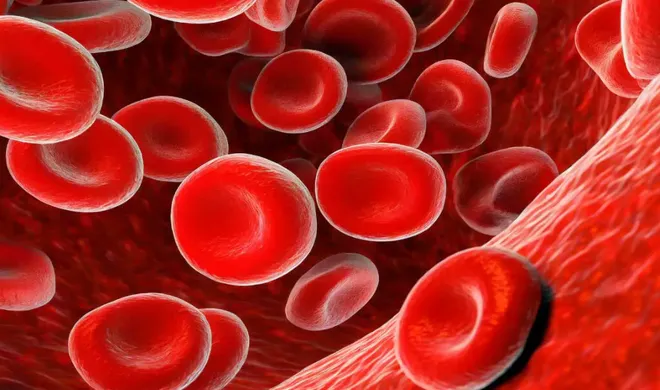
RBC stands for “red blood cells.” These little cells are the workhorses of your bloodstream. They pick up oxygen from your lungs and carry it to every single part of your body. Without enough RBCs, your body starves for oxygen. But if you have too many? That can create a whole different set of problems.
What Are Normal RBC Levels?
Let’s get specific. The “normal” range for RBCs can vary a bit depending on your age, gender, and the lab doing the test, but heres what most doctors look for:

- Men: 4.7 to 6.1 million cells per microliter (mcL)
- Women: 4.2 to 5.4 million cells per mcL
- Children: 4.0 to 5.5 million cells per mcL
Anything above these ranges is technically “high,” but not every high number is an emergency. That brings us to the big question…
When Is RBC Considered Dangerously High?
A mildly elevated RBC count isn’t always a crisis. In fact, sometimes it just means you’re dehydrated, or your body is reacting to high altitude or a tough workout.
A video message
If you want your blood test report to be interpreted by RBC specialist, you can upload your report. Our RBC expert will provide you with the most accurate interpretation of your blood test results and treatment within 12 hours.Upload blood test report now
But when does it cross into dangerous” territory? Generally, most doctors start to worry if:
- Men: RBC count above 6.5 million cells per mcL
- Women: RBC count above 6.0 million cells per mcL
Extremely high numbers (think 7 million or more) need to be evaluated urgently, especially if you’re having symptoms. It’s not just about the number—how you feel matters too.
Remember: Lab ranges can vary. What’s “dangerous” for one person might be different for someone else, especially if you have underlying health conditions.
What Causes High RBC Levels?
High RBC counts, or “erythrocytosis,” can have many triggers. Here are some common causes:
- Dehydration: Less water in your blood makes RBCs look higher.
- Living at High Altitude: Your body makes more RBCs to capture extra oxygen.
- Smoking: Carbon monoxide tricks your body into making more RBCs.
- Heart or Lung Disease: Your body is compensating for low oxygen.
- Kidney Tumors: Certain tumors trigger more RBC production.
- Blood Disorders: Conditions like polycythemia vera cause your body to make too many RBCs for no good reason.
- Performance-Enhancing Drugs: Some athletes misuse substances that boost RBCs (like EPO).
Symptoms of High RBC Count
Some people with high RBCs feel totally fineat least at first. But if your count gets dangerously high, you might notice:
- Headaches
- Blurred vision or dizziness
- Itchy skin (especially after a hot shower)
- Red or flushed face
- Fatigue or weakness
- Nosebleeds or bleeding gums
- Tingling in your hands and feet
- Enlarged spleen (sometimes causing a feeling of fullness under your ribs)
These symptoms happen because thick, “sludgy” blood moves more slowly and can’t deliver oxygen as efficiently. In rare cases, very high RBC counts can even lead to life-threatening clots or strokes.
Why Is a High RBC Count Dangerous?
You might think, “Hey, more RBCs, more oxygenwhat’s the harm?” But there’s a catch. When you have too many RBCs, your blood gets thicker (like syrup instead of water). That makes it harder for your heart to pump and increases your risk for:
- Blood Clots: Which can cause heart attack, stroke, or deep vein thrombosis (DVT)
- High Blood Pressure: Thick blood puts extra stress on your arteries
- Enlarged Heart: Your heart has to work overtime, which isn’t healthy long-term
That’s why dangerously high RBC counts aren’t something to ignore.
What Should You Do If Your RBC Is High?
First, don’t panic! One high result doesn’t always mean disaster. Here’s a simple checklist:
- Double-Check: Sometimes labs make mistakes. Your doctor may want to repeat the test.
- Look at Symptoms: Are you feeling okay, or do you have symptoms from above?
- Stay Hydrated: If you’re dehydrated, drink water and repeat the test after a few days.
- Review Medications: Some drugs can bump up your RBC count—ask your doctor.
- Discuss Risk Factors: Smoking, altitude, or any chronic lung/heart disease? Let your doctor know.
- See a Specialist: If your count is very high or you have symptoms, your doctor might refer you to a hematologist (a blood specialist).
Treatment depends on the cause. For some, it’s as simple as treating dehydration. For others (like polycythemia vera), you might need medicine or a procedure to lower your RBC count.
Frequently Asked Questions About High RBC
Can anxiety or stress cause high RBC?
No, stress and anxiety don’t directly cause high RBC counts, though they can affect other aspects of your health. Always check with your doctor if you’re concerned.
Is a high RBC count always a sign of cancer?
Not at all! While certain tumors can boost RBC production, there are many non-cancerous reasons for a high RBC count.
Can you lower your RBC naturally?
If dehydration is the cause, simply hydrating will help. If it’s lifestyle-related (like smoking), quitting helps. For other causes, talk to your doctor—don’t try to fix it on your own.
A dangerously high RBC (Red Blood Cell) count — generally, anything over 6.5 million/µL (men) or 6.0 million/µL (women) — may indicate dehydration, lung disease, or a condition like polycythemia vera. Don’t ignore this result. Consult your healthcare provider, get further testing, and take steps to manage the underlying cause.
Conclusion: Take Your Numbers Seriously, But Don’t Panic
Seeing a high RBC count on your lab results can be alarming, but it’s not always a reason to worry. Numbers only tell part of the story; your symptoms and risk factors matter too. Danger usually starts above 6.5 million cells per microliter for men, and above 6.0 for women, but always follow up with your healthcare provider for the most accurate interpretation.
Your body is complex—and sometimes it just needs a little help to get back into balance. If your RBC is high, use it as a cue to check in with your health and talk to a pro who can help you sort through the details. Your blood is your lifeline—treat it with the respect it deserves!