If you've ever looked at your blood test results and wondered what your red blood cell (RBC) count actually means, you're not alone. One of the most common concerns people have is: "How low is too low when it comes to RBC?" In this article, we’ll walk you through what RBC is, how it affects your health, and when a low count becomes dangerously low.
What Are Red Blood Cells and Why Do They Matter?
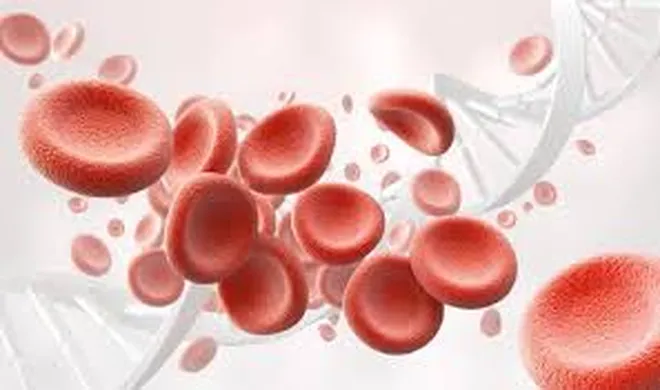
Red blood cells are the oxygen carriers of your body. They travel through your bloodstream delivering oxygen from your lungs to tissues and organs—and whisking away carbon dioxide. Without a healthy RBC count, your body struggles to function efficiently.
Normal RBC Levels: What's Considered Healthy?
Before we get into what's dangerously low, it's helpful to understand the normal range. While exact numbers may vary slightly between labs, here's a general guideline:

- Men: 4.7 to 6.1 million cells per microliter (mcL) of blood
- Women: 4.2 to 5.4 million/mcL
- Children: 4.1 to 5.5 million/mcL
If your RBC count falls below these levels, it's considered low—but how low is actually dangerous?
What Level of RBC Is Dangerously Low?
This is where it gets serious. A mildly low RBC count may not cause major symptoms right away. But when it drops significantly—usually below:
A video message
If you want your blood test report to be interpreted by RBC specialist, you can upload your report. Our RBC expert will provide you with the most accurate interpretation of your blood test results and treatment within 12 hours.Upload blood test report now
- Men: Less than 3.8 million/mcL
- Women: Less than 3.2 million/mcL
—you’re entering a zone where medical intervention becomes crucial. If it drops further, say below 2.5 million/mcL, this is often considered critically low and may require blood transfusions or hospitalization.
What Causes a Dangerously Low RBC Count?
Several underlying conditions can cause RBC levels to plummet. These include:
- Severe anemia – Often due to iron, vitamin B12, or folate deficiency
- Bone marrow disorders – Such as leukemia or aplastic anemia
- Chronic diseases – Kidney disease can affect erythropoietin, a hormone that stimulates RBC production
- Hemorrhage – Significant blood loss from trauma or internal bleeding
- Autoimmune diseases – Where the body mistakenly destroys its own RBCs
Identifying the root cause is key to effective treatment.
Symptoms to Watch For
When RBC levels drop to a dangerously low point, your body often lets you know. Common symptoms include:
- Severe fatigue
- Shortness of breath
- Dizziness or lightheadedness
- Chest pain or palpitations
- Pale or yellowish skin
- Cold hands and feet
If you experience a combination of these symptoms, especially if they're sudden or worsening, don't waitseek medical attention immediately.
How Is a Low RBC Count Diagnosed?
The most common test is a complete blood count (CBC). It measures not just RBC, but also hemoglobin and hematocrit levels, which offer a more complete picture of your blood’s health. Your doctor may also recommend tests to check iron levels, vitamin deficiencies, or evaluate kidney and bone marrow function.
Treatment Options
Treatment depends on what’s causing the low RBC count. Here’s a quick breakdown:
- Dietary deficiencies: Iron, B12, or folate supplements
- Chronic diseases: Treating the underlying condition
- Severe anemia: Blood transfusions or erythropoietin injections
- Bone marrow issues: May require more intensive treatment like chemotherapy or stem cell transplants
Don’t self-diagnose or self-treat. Always consult a healthcare provider for a personalized plan.
When Should You Be Concerned?
If you’ve recently had blood work and your RBC count is even slightly below normal, keep an eye on how you feel. A one-time dip isn’t always alarming, but recurring or persistently low levels should not be ignored.
And if your count is below 3 million/mcL—especially with symptoms—that’s your cue to act fast.
A dangerously low RBC (Red Blood Cell) count — generally, anything below 4.7 million/µL (men) or 4.2 million/µL (women) — often points to anemia, blood loss, or bone marrow disorders. It’s important to speak with your doctor, find out the cause, and take corrective action promptly.
Final Thoughts
Red blood cells are more than just a number on a lab report—they’re essential to every breath you take and every step you make. Knowing what level of RBC is dangerously low helps you take timely action, whether that’s through lifestyle changes, dietary improvements, or medical treatment.
Listen to your body, get regular checkups, and don’t hesitate to reach out to a healthcare provider if something feels off. Because when it comes to your health, sooner is always better than later.