What Level of RDW CV Is Dangerously High? A Friendly Guide to Your Blood Test
So, you got your blood test results back, and you’re staring at a number called RDW CV. Maybe it’s higher than the “normal range,” or maybe you’re just curious—either way, you’re not alone. Many people feel a little lost when it comes to understanding blood test jargon, especially things like RDW CV. So, what does it mean if your RDW CV is high, and at what point should you really worry? Let's break it down.
What Exactly Is RDW CV?
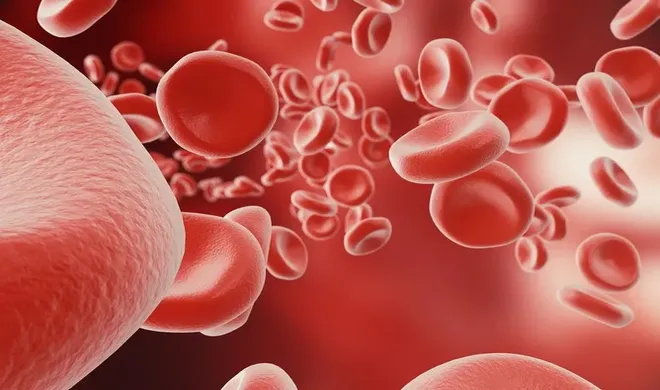
RDW stands for Red Cell Distribution Width, and the “CV” means Coefficient of Variation. In simple terms, RDW CV tells us how much your red blood cells vary in size. Imagine a box of crayons: if they’re all the same length, your RDW CV is low. If there’s a mix of short and long crayons, your RDW CV is high.
RDW is a part of the Complete Blood Count (CBC) panel, one of the most common blood tests doctors order. It's not a diagnosis in itself, but it can be an important clue to what's happening in your body.

Normal vs. High: What’s the Range?
For most adults, a “normal” RDW CV falls between 11.5% and 14.5%. Your lab might use slightly different numbers, but that’s the ballpark.
- Below 11.5%: Not usually a concern.
- 11.5% to 14.5%: Generally considered normal.
- Above 14.5%: This is where it gets “high.”
Quick tip: Always check your lab’s reference range! Numbers can differ depending on the lab’s equipment and methods.
But What Counts as “Dangerously High” RDW CV?
Here’s where things get interesting. There isn’t a hard cutoff where doctors say, “This is dangerous!” Instead, the higher your RDW CV climbs above the normal range, the more likely it is that something needs attention.
A video message
If you want your blood test report to be interpreted by RDW CV specialist, you can upload your report. Our RDW CV expert will provide you with the most accurate interpretation of your blood test results and treatment within 12 hours.Upload blood test report now
- RDW CV 15-17%: Mild to moderately high. This can be caused by something as simple as iron deficiency, vitamin B12 deficiency, or even just a temporary infection.
- RDW CV 18% and above: This is considered significantly elevated and is more likely to point to an underlying problem. While it’s not a “panic now” emergency, it means your doctor will probably want to investigate further.
- RDW CV 20% or higher: Very rarely seen, and usually only in severe or chronic conditions. At this level, it’s almost certain there’s a serious issue affecting your red blood cells.
So, if your RDW CV is 15%, don’t panic! But if you’re creeping towards 18% or higher, it’s time to pay closer attention and talk to your doctor.
What Causes High RDW CV?
A high RDW CV just means your red blood cells vary a lot in size. Here are some of the most common causes:
- Anemia: Especially iron deficiency anemia, but also B12 or folate deficiency anemia.
- Recent blood loss: If you’ve had an injury, surgery, or heavy periods, your bone marrow is busy making new cells of different sizes.
- Chronic diseases: Conditions like liver disease or kidney disease can affect RDW.
- Other blood disorders: Sickle cell disease, thalassemia, and some types of leukemia.
- Inflammation: Even temporary infections or chronic inflammatory conditions can bump up your RDW.
In rare cases, a high RDW CV can signal more serious problems, but on its own, it doesn’t mean you have a dangerous disease.
Should You Worry About a High RDW CV?
Here’s the truth: RDW CV is just one piece of the puzzle. If your RDW CV is slightly high, but everything else is normal and you feel fine, it might not be a big deal. Your doctor will look at other parts of your CBC—like your hemoglobin, mean corpuscular volume (MCV), and more—to get the full story.
Pro Tip: Never diagnose yourself based only on one lab number. Always talk it through with your healthcare provider.
What Should You Do If Your RDW CV Is Dangerously High?
If your RDW CV is 18% or higher, especially if youre having symptoms like fatigue, paleness, shortness of breath, or unusual bruising, see your doctor promptly. They’ll likely order more tests to find out what’s causing the abnormal result.
- Get checked for nutrient deficiencies (iron, B12, folate).
- Ask about chronic illnesses (liver, kidney, autoimmune).
- If you’ve had recent blood loss, mention it.
The good news? Most causes of high RDW CV are treatable—sometimes as simple as changing your diet or taking supplements.
How to Lower Your RDW CV
Theres no magic pill for RDW CV itself. The key is to treat the underlying cause:
- Eat a balanced diet: Plenty of leafy greens, beans, eggs, meats, and fortified cereals.
- Address chronic conditions: Follow your doctor’s advice for managing any ongoing health problems.
- Don’t skip follow-ups: Keep your doctor in the loop, especially if you have ongoing symptoms.
Sometimes, your RDW CV may stay a little high even after treatment. That’s okay—what matters most is how you feel and what your doctor thinks about the whole picture.
A dangerously high RDW-CV (Red Cell Distribution Width - Coefficient of Variation) — generally, anything over 15% — may suggest iron deficiency anemia, vitamin B12 or folate deficiency, or other blood disorders. Don’t ignore this result. Speak with your healthcare provider, get further testing, and address any underlying issues.
Takeaway: When Is RDW CV Dangerously High?
If your RDW CV is over 18%, it’s time for a closer look—but don’t jump to conclusions or assume the worst. RDW CV is a useful marker, but it always needs to be interpreted alongside your symptoms and other blood test results. If you’re worried, the best thing you can do is have an open conversation with your doctor. You deserve answers that are clear, honest, and tailored to you—not just a scary number on a screen.
Remember: Your blood test is just one part of your health story. Stay curious, stay informed, and don’t be afraid to ask questions.