What Level of RDW CV Is Dangerously Low? Let's Break It Down
If you've ever looked at your blood test results and seen something called RDW CV, you might have wondered what it means—especially if the numbers are low. Don't worry, you're not alone! RDW CV isn't something we hear about every day, but it plays a sneaky important role in understanding your overall health.
First Off, What Is RDW CV Anyway?
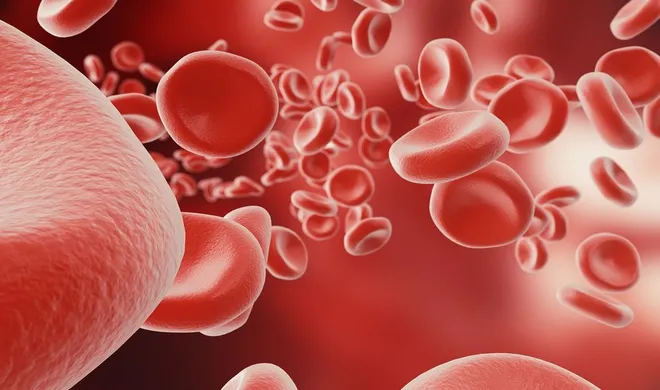
RDW stands for Red Cell Distribution Width, and the CV part means Coefficient of Variation. In simple terms, RDW CV tells us how varied your red blood cells are in size. Think of it like this: if you were to line up all your red blood cells, RDW CV measures how similar—or different—they are from each other.
Normally, red blood cells are pretty uniform in size. A higher RDW CV means there's a big difference in size between the smallest and biggest red blood cells. A lower RDW CV suggests your red blood cells are closer in size to each other.

What’s Considered a Normal RDW CV Level?
Typically, the normal range for RDW CV is 11.5% to 14.5%. Labs may vary slightly depending on their equipment and calibration, but that’s the general ballpark.
So when we talk about a low RDW CV, we’re usually looking at something below 11.5%.
A video message
If you want your blood test report to be interpreted by RDW CV specialist, you can upload your report. Our RDW CV expert will provide you with the most accurate interpretation of your blood test results and treatment within 12 hours.Upload blood test report now
Is a Low RDW CV Dangerous?
Here’s where it gets interesting. Most of the time, medical professionals focus on high RDW CV levels because they often indicate conditions like iron deficiency, vitamin B12 deficiency, or even bone marrow disorders.
But what about the low end? Is that something to worry about?
In most cases, a slightly low RDW CV is not considered dangerous. In fact, it often doesn't raise red flags on its own. However, a significantly low RDW CV—let’s say under 10.5%—might suggest that your red blood cells are too uniform in size, which could potentially indicate a suppressed bone marrow function or a chronic condition affecting blood production.
Possible Causes of Low RDW CV
- Bone Marrow Suppression: When your bone marrow isn’t producing enough red blood cells or is producing them uniformly due to lack of variation.
- Chronic Illness: Long-term health conditions like kidney disease can affect how your red blood cells are formed.
- Overhydration: Excess fluid in your body can dilute the concentration and size differences among red blood cells.
- Laboratory Error: Sometimes, it’s just a technical glitch. Always best to recheck before jumping to conclusions.
What Symptoms Should You Watch For?
Low RDW CV by itself doesn’t usually cause symptoms. However, if you’re experiencing things like:
- Unexplained fatigue
- Shortness of breath
- Pale skin
- Cold hands and feet
...you should definitely talk to your healthcare provider. These symptoms might indicate that something else is going on, and your RDW CV is just one piece of the puzzle.
When Should You Be Concerned?
Here's the thing: RDW CV shouldn't be looked at in isolation. It's part of a bigger picture, usually within a Complete Blood Count (CBC) test. If your low RDW CV is accompanied by abnormal hemoglobin, hematocrit, or mean corpuscular volume (MCV), that’s when it becomes more concerning.
So, if your RDW CV is under 10.5% and you’re experiencing symptoms or have other abnormal blood markers, its worth discussing further with a medical professional.
What Can You Do About It?
First and foremost, don’t panic. Talk to your doctor and consider getting a repeat test. If there’s a pattern, further testing may be recommended.
Depending on what’s causing the low RDW CV, treatment may include:
- Addressing nutritional deficiencies
- Managing underlying chronic conditions
- Staying properly hydrated (but not overly so)
- Adjusting any medications that might be influencing blood cell production
A dangerously low RDW-CV (Red Cell Distribution Width - Coefficient of Variation) — generally, anything below 10.5% — is uncommon and often not a concern on its own. However, if other blood parameters are abnormal, consult your doctor to rule out potential issues.
Final Thoughts
So, what level of RDW CV is dangerously low? Generally, anything under 10.5% may be a cause for closer inspection—but it rarely stands alone as a red flag. Your best bet is to look at the full picture and speak with your healthcare provider to interpret what it means in your unique context.
Remember, blood tests are tools—not diagnoses. Use them to guide conversations, not to jump to conclusions. Stay curious, stay informed, and always take your questions to a professional.