What Level of RDW SD Is Dangerously High? Let’s Decode Your Blood Test
Have you ever received your blood test results and been stumped by all those acronyms? You’re not alone! One term that tends to cause a lot of head scratching is RDW SD. If you’re here, you might be wondering, “What does it even mean if my RDW SD is high? And how high is dangerously high?”
First Things First: What Is RDW SD?
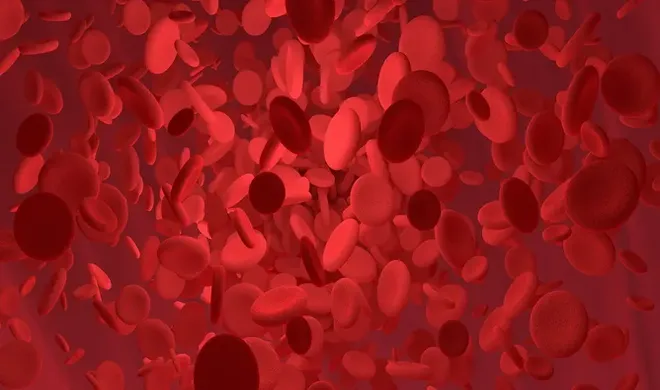
RDW SD stands for Red Cell Distribution Width – Standard Deviation. That might sound technical, but think of it like this: It’s a measurement from your Complete Blood Count (CBC) that looks at the range of sizes your red blood cells come in. If all your red blood cells were identical, your RDW SD would be low. If they’re all different shapes and sizes, RDW SD gets higher.
Quick Fact: Your red blood cells are supposed to be pretty similar in size. When they aren’t, your body might be trying to tell you something important!
What’s Considered a Normal RDW SD?
Most labs set the “normal” RDW SD range between 39 and 46 fL (femtoliters). This can vary a little from lab to lab, so always check the reference range printed on your report. If you see your RDW SD is slightly above or below this range, it doesn’t always mean there’s a crisis—but it does mean something’s different from the average.

So, What Level of RDW SD Is Dangerously High?
Here’s where things get a bit more nuanced. There isn’t a universal number that shouts “danger” for everyone, but generally:
- Mildly Elevated RDW SD: 47–50 fL. Not usually alarming by itself. Could be due to minor nutritional imbalances or a recent illness.
- Significantly High RDW SD: Above 50–56 fL. This level is where most doctors start to pay closer attention, especially if you have symptoms or other abnormal blood markers.
- Critically High RDW SD: Over 56 fL. While rare, RDW SD in this zone suggests a serious underlying issue that should be checked right away.
To keep things simple: RDW SD above 56 fL is often considered dangerously high, especially if you’re feeling unwell or have other unusual results in your blood work. It doesn’t mean something bad will definitely happen, but it’s a flag you shouldn’t ignore.
A video message
If you want your blood test report to be interpreted by RDW SD specialist, you can upload your report. Our RDW SD expert will provide you with the most accurate interpretation of your blood test results and treatment within 12 hours.Upload blood test report now
Why Would RDW SD Be So High?
If your RDW SD is high, your red blood cells are coming in all sorts of shapes and sizes. This can happen for a few reasons, such as:
- Anemia: Different types, like iron deficiency or vitamin B12 deficiency, can cause your red blood cells to vary in size.
- Chronic diseases: Conditions like kidney disease, liver problems, or even some cancers may raise your RDW SD.
- Recent blood loss: If you’ve had an injury, surgery, or heavy periods, your body may produce new red blood cells at different rates and sizes.
- Bone marrow issues: If your bone marrow isn’t working as it should, it can make red blood cells that don’t quite fit the “normal” mold.
Could It Just Be a Fluke?
Sometimes, yes! Lab errors happen. Dehydration, recent illness, or even a tough workout before your blood test can temporarily mess with your numbers. That’s why doctors rarely make decisions based on just one high RDW SD result—they look at the bigger picture.
Symptoms to Watch For
A high RDW SD number by itself doesn’t always mean you’ll feel sick. But if you notice symptoms like these, it’s worth a call to your healthcare provider:
- Unusual tiredness or fatigue
- Pale skin or gums
- Shortness of breath
- Rapid heartbeat
- Frequent bruising or bleeding
Even if you feel fine, don’t ignore a big jump in your RDW SD—especially if it’s paired with other abnormal blood markers.
What Happens Next If Your RDW SD Is Dangerously High?
If your RDW SD is way out of range (especially over 56 fL), your doctor will usually:
- Order more tests (like iron, vitamin B12, folate, and a reticulocyte count)
- Review your other blood markers, like hemoglobin and MCV
- Ask about your symptoms, medical history, and even your diet
- Possibly refer you to a hematologist (a blood specialist) if the cause isn’t obvious
The good news? Most causes of a high RDW SD are treatable with the right diagnosis and care.
How to Keep Your RDW SD in Check
There’s no magic pill to lower RDW SD instantly, but these steps can help keep your red blood cells healthy:
- Eat a balanced diet rich in iron, B12, and folate
- Stay hydrated
- Get regular physical check-ups (especially if you have chronic health issues)
- Follow your doctor’s advice if you’re being treated for anemia or other conditions
A dangerously high RDW-SD (Red Cell Distribution Width - Standard Deviation) — generally, anything over 56 fL — may suggest mixed types of anemia, vitamin deficiencies, or other blood disorders. Don’t overlook this finding. Consult your healthcare provider, get further tests, and address the root cause promptly.
Remember: Your blood test results are a clue, not a crystal ball. Don’t panic, but don’t ignore persistently high numbers either!
Final Thoughts: Listen to Your Body—and Your Doctor
To wrap it all up: a dangerously high RDW SD is typically any value above 56 fL, but it’s important to look at your overall health and other blood results too. A single number doesn’t tell your whole story, but it can be an important heads-up that your body needs some attention. When in doubt, always check in with your healthcare provider—they’re the best partner in keeping your blood (and you) healthy!
Got more questions about your blood test? Drop them in the comments below or bring them up at your next doctor’s visit. Here’s to understanding your health, one number at a time!

Medically Reviewed By
Dr. Hernandez, MD
Laboratory Medicine Specialist
View Full Profile & Credentials →
Laboratory Expertise:
- Clinical Pathology Certification
- 15+ years lab analysis experience
- Specializes in test interpretation
- Medical Advisory Board Member
Reviewed by world-leading medical experts
Medical Disclaimer: This information is for educational purposes and should not replace professional medical advice. Consult your physician for diagnosis and treatment. Read full disclaimer.
Get expert medical review of your lab results