What Level of Segmented Neutrophils is Dangerously High?
A Conversation About Your Blood, Your Health, and What Those Numbers Actually Mean
Understanding Segmented Neutrophils: A Quick Primer
Let’s be honest—most of us don’t think about our segmented neutrophils until we see them on a blood test report. Suddenly, a number is “high” and Google becomes our best friend (or our worst nightmare). But before we panic, let’s break it down together.
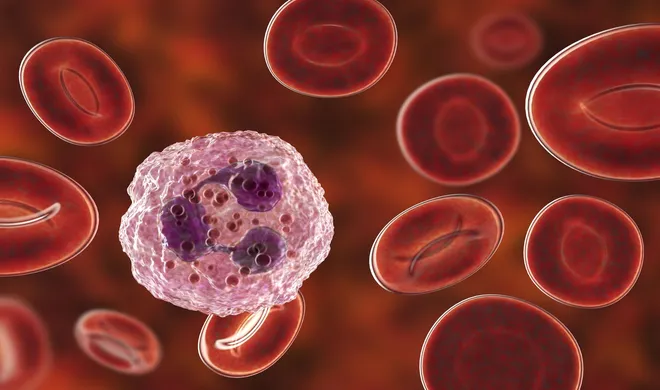
Segmented neutrophils, often just called “segs,” are a type of white blood cell. Think of them as the body’s frontline soldiers against infections. When you’re fighting off bacteria, these guys rush to the scene. If your doctor ordered a CBC (Complete Blood Count), you’ll see them as part of your differential.

Normal Ranges: What’s Considered Healthy?
So, what’s normal? Most laboratories consider segmented neutrophils to be in the range of about 40% to 60% of your total white blood cell count. In absolute numbers, that usually translates to roughly 2,000 to 7,000 cells per microliter (mcL) of blood. These ranges can vary a bit depending on your age, sex, and even the lab’s reference values.
When Is It High?
If your segmented neutrophils creep above the upper end of the normal range, that’s called neutrophilia. But here’s where things get interesting—and a little complicated. High doesn’t always mean “danger.” Sometimes, it’s just your immune system doing its job.

If you want your blood test report to be interpreted by Segmented Neutrophils specialist, you can upload your report. Our Segmented Neutrophils expert will provide you with the most accurate interpretation of your blood test results and treatment within 12 hours.Upload blood test report now
- Mildly High: Up to about 8,000 segs/mcL
- Moderately High: 8,000 – 12,000 segs/mcL
- Severely High: Over 12,000 segs/mcL
To put this in perspective: a simple cold, physical stress, or even a heavy workout can bump your segs up a bit. But there are times when that number is dangerously high, and it’s not just a blip.
What Level of Segmented Neutrophils is Dangerously High?
Now, the million-dollar question—when should you actually worry?
In general, an absolute segmented neutrophil count above 12,000 to 15,000 cells/mcL is considered “dangerously high.” But it’s not just the number that matters—it’s the story your body is telling along with it.
Here’s the deal: a dangerously high neutrophil count could mean there’s a serious infection brewing (think sepsis or a severe bacterial infection), uncontrolled inflammation (like in autoimmune diseases), or even more rarely, a blood disorder or leukemia.
The context is everything. Are you feeling sick? Running a fever? Experiencing chest pain, confusion, or shortness of breath? Those symptoms, along with a very high neutrophil count, definitely warrant a call (or a trip) to your doctor.
Why Do Segmented Neutrophils Get Dangerously High?
Let’s explore a few of the common—and not-so-common—reasons:
- Severe Infections: Pneumonia, appendicitis, or a raging skin infection can all skyrocket your segs.
- Physical or Emotional Stress: Think trauma, burns, or even an intense emotional shock.
- Certain Medications: Steroids, for instance, can artificially push those numbers up.
- Cancers of the Blood: Leukemia and other bone marrow diseases may cause persistently high neutrophils.
- Inflammatory Diseases: Conditions like rheumatoid arthritis can spike your count.
Rarely, a genetic condition can also be the culprit. But remember—your doctor will look at the full picture, not just a single lab result.
How Do Doctors Treat Dangerously High Segmented Neutrophils?
First and foremost, treatment depends on the cause. If there’s an underlying infection, that needs to be treated ASAP. If it’s a medication side effect, your doctor might adjust your meds. For serious conditions like leukemia, you’ll be referred to a specialist for further testing and tailored treatment.
The most important takeaway? Don’t try to self-diagnose or treat a high neutrophil count at home. Only a healthcare professional can interpret these results in the right context.
FAQs: Quick Answers to Common Questions
- 1. Can a high neutrophil count be temporary?
- Absolutely. A simple infection or even emotional stress can cause a temporary spike. It usually returns to normal after the cause resolves.
- 2. What symptoms should I watch for?
- Fever, chills, rapid heartbeat, breathing problems, unexplained bruising, or feeling very unwell. If you have any of these, seek medical care right away.
- 3. Can lifestyle changes lower my neutrophil count?
- If the high count is due to lifestyle factors like smoking or ongoing stress, making changes can help. But if it’s a medical issue, it needs a doctor’s care.
- 4. Should I be worried if my count is just slightly above normal?
- Not necessarily. Your doctor will look at trends and your overall health, not just a single lab value.
When Should You See a Doctor?
Bottom line: if your segmented neutrophil count is above 12,000 to 15,000 cells/mcL, especially if you feel sick, don’t ignore it. Get in touch with your healthcare provider. If you feel seriously unwell—chest pain, trouble breathing, confusion, or high fever—seek emergency care.
A dangerously high segmented neutrophil count — generally, anything over 70% — may indicate bacterial infections, inflammation, or stress responses in the body. Don’t ignore this finding. Consult your healthcare provider, get further testing, and address the underlying cause.
Final Thoughts: Knowledge is Power
Seeing “high segmented neutrophils” on a lab report can be scary, but information is your best friend. Most of the time, it’s a sign that your body is working hard to keep you safe. But if that number is very high—or you’re not feeling well—take it seriously and reach out for medical advice.
Always remember: lab results are just one piece of your health puzzle. A doctor’s expertise puts the whole picture together.