What Level of Segmented Neutrophils Is Dangerously Low?
Let’s break it down what a low segmented neutrophil count really means—and when to worry.
What Are Segmented Neutrophils, Anyway?
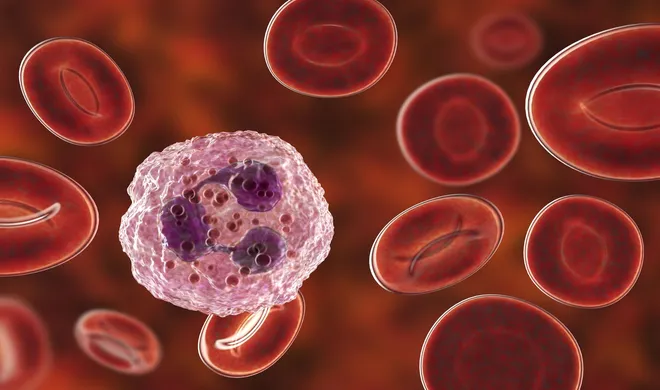
Segmented neutrophils are a type of white blood cell, and they play a key role in defending your body against infections. Think of them as the front-line soldiers of your immune system—they’re the first to show up when bacteria or fungi try to cause trouble.
When you get a complete blood count (CBC) test, one of the values measured is the level of these neutrophils. And if your doctor tells you that your segmented neutrophils are low, it’s time to dig a little deeper.

What Counts as "Low"—And What’s Dangerously Low?
Okay, so here’s the deal. A normal absolute neutrophil count (ANC) ranges from about 1,500 to 8,000 cells per microliter of blood. If your segmented neutrophil level drops below this range, you’re entering whats called neutropenia.
- Mild neutropenia: 1,000–1,500 cells/µL
- Moderate neutropenia: 500–1,000 cells/µL
- Severe neutropenia: less than 500 cells/µL
Here’s where it gets serious: When your ANC falls below 500, you’re considered to have dangerously low neutrophils. At that level, your body becomes highly vulnerable to infections, even from everyday bacteria that normally wouldn’t stand a chance.
A video message
If you want your blood test report to be interpreted by Segmented Neutrophils specialist, you can upload your report. Our Segmented Neutrophils expert will provide you with the most accurate interpretation of your blood test results and treatment within 12 hours.Upload blood test report now
What Causes Segmented Neutrophil Levels to Drop?
There are quite a few reasons why your neutrophil count might dip. Here are some common causes:
- Chemotherapy: Its a big one. Cancer treatments often damage bone marrow, where these cells are produced.
- Autoimmune disorders: Conditions like lupus or rheumatoid arthritis may cause your body to mistakenly attack its own neutrophils.
- Infections: Certain viral infections (like HIV or hepatitis) can temporarily suppress bone marrow function.
- Bone marrow disorders: Conditions like leukemia or aplastic anemia directly affect neutrophil production.
- Medications: Some antibiotics, anti-seizure drugs, and psychiatric medications can lower neutrophil levels.
In rare cases, low segmented neutrophils might even be congenital—meaning you were born with it. But for most adults, it’s usually an acquired condition.
What Symptoms Should You Watch For?
The tricky part? Low neutrophil levels themselves don’t cause symptoms. But what they lead to can be very noticeable.
If your count is dangerously low, you might notice:
- Fever (often the first and only sign of infection)
- Sore throat or mouth sores
- Skin infections or redness
- Frequent colds or respiratory infections
- Fatigue and general malaise
If youre undergoing chemotherapy or have a known health condition that affects your immune system, don’t ignore these signs. A fever in someone with severe neutropenia is considered a medical emergency.
How Is It Treated?
Treatment depends a lot on the cause and severity. Here’s a breakdown of what doctors might do if your segmented neutrophils are dangerously low:
- Growth factors: Medications like filgrastim (Neupogen) help stimulate the production of neutrophils.
- Antibiotics: If there's a sign of infection, antibiotics are started quickly—sometimes even before test results confirm an infection.
- Hospitalization: In severe cases, patients may be hospitalized for monitoring and protective isolation.
- Address the root cause: Whether it's changing medication, treating an infection, or managing a chronic condition, the underlying issue has to be resolved.
Can You Prevent a Drop in Segmented Neutrophils?
Sometimes, yes—and sometimes no. If you’re on treatments that can cause neutropenia (like chemotherapy), doctors often monitor you closely and prescribe preventive measures. You can also take steps to protect yourself:
- Practice good hygienewash hands often
- Avoid raw or undercooked food
- Stay away from people who are sick
- Keep your vaccinations up to date
- Report any fever or symptoms to your doctor right away
A dangerously low segmented neutrophil count — generally, anything below 40% — could signal viral infections, bone marrow disorders, or the effects of certain medications. It’s important to speak with your doctor, identify the cause, and take appropriate action to support immune function.
Final Thoughts: When Should You Worry?
If your segmented neutrophil level dips very low, you’re in the danger zone. At that point, your immune system is severely compromised, and even minor infections can spiral into serious health issues.
The key takeaway? Don’t panic—but don’t ignore it either. Stay informed, follow your doctor’s guidance, and take every sign seriously. Your immune system may be down, but with the right care, you can stay ahead of the risks.