What Level of Steatosis Score Is Dangerously High?
Have you ever had a routine check-up, and your doctor mentioned the word “steatosis”? Maybe it popped up in an ultrasound or liver biopsy report, and now you’re wondering what it means—especially if someone tells you that your “steatosis score” is higher than normal. Don’t worry; you’re not alone! Let’s break it down together and understand what levels of steatosis are cause for concern.
What Exactly Is Steatosis?
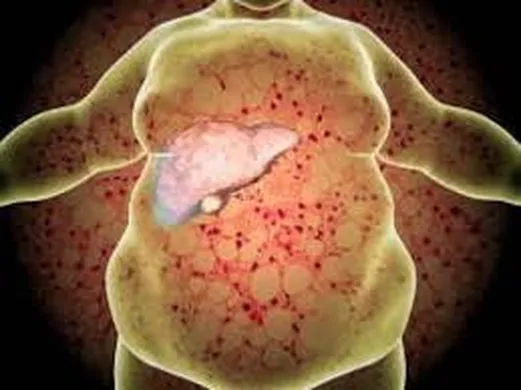
Steatosis is just a medical way of saying “fatty liver.” It’s when extra fat builds up inside your liver cells. A small amount of fat in the liver is normal, but when that fat starts to pile up, your liver can have a tough time doing its job. Left unchecked, steatosis can lead to inflammation, liver scarring (fibrosis), and even more serious problems down the road.
Understanding the Steatosis Score
The steatosis score is a scale doctors use to describe just how much fat is in your liver. It’s usually measured using a biopsy (where a tiny piece of your liver is examined under a microscope) or special imaging techniques like FibroScan, MRI, or ultrasound. The scoring system most often used for liver biopsies goes from S0 (no steatosis) up to S3 (severe steatosis).
- S0: No fat in the liver (less than 5% of cells affected)
- S1: Mild steatosis (5–33% of liver cells affected)
- S2: Moderate steatosis (34–66% of cells)
- S3: Severe steatosis (more than 66% of liver cells affected)
“Think of these scores like a fuel gauge for fat in your liver—S0 is ‘empty,’ S3 is ‘overflowing.’”
So, What Level Is Dangerously High?
Here’s where it gets real: while mild (S1) steatosis is often manageable with lifestyle tweaks, moderate (S2) and especially severe (S3) steatosis can be a red flag. Most experts agree that:
- S2 (moderate): This is a warning sign. Your liver is starting to struggle, and the risk of inflammation or damage increases.
- S3 (severe): This is considered dangerously high. At this level, your liver is overloaded with fat, and the risks of progressing to serious liver disease—like nonalcoholic steatohepatitis (NASH), fibrosis, cirrhosis, or even liver cancer—jump significantly.
In short, **a steatosis score of S3 is the point at which doctors start to get really concerned.** If you’re at S2, you’re heading in that direction, and it’s time to take action.
A video message
If you want your blood test report to be interpreted by Steatosis score specialist, you can upload your report. Our Steatosis score expert will provide you with the most accurate interpretation of your blood test results and treatment within 12 hours.Upload blood test report now
How Do You Know If You Have High Steatosis?
Here’s the tricky part: most people with a fatty liver don’t have any symptoms at all. You might feel a little tired, or have vague discomfort on your right side, but often, it’s picked up by accident during blood tests or imaging for something else. That’s why knowing your risk factors (like being overweight, having diabetes, or high cholesterol) and getting regular check-ups is so important.
What Happens If Steatosis Is Left Untreated?
If your liver stays overloaded with fat for too longespecially at S3—the risk goes beyond just “fatty liver.” Here’s what could happen:
- NASH (Nonalcoholic Steatohepatitis): The fat starts to irritate your liver, causing inflammation and cell damage.
- Fibrosis: Your liver tries to repair itself, creating scar tissue. Over time, this can stiffen your liver.
- Cirrhosis: When too much scar tissue builds up, your liver can’t work properly. This is a serious, often irreversible condition.
- Liver Cancer: Rarely, long-term damage can increase your risk of liver cancer.
Can You Lower Your Steatosis Score?
Absolutely! The best news about steatosis is that, in many cases, it’s reversible—especially if you catch it before things go too far. Here are some ways people can lower their steatosis score:
- Lose weight: Even a modest weight loss (about 7–10% of your body weight) can make a huge difference.
- Eat smart: Cut back on sugar, refined carbs, and processed foods. Focus on veggies, lean protein, and healthy fats.
- Move more: Regular exercise helps your body burn fat—including the fat in your liver.
- Watch your alcohol: Even though “nonalcoholic fatty liver” is a thing, alcohol can make things worse.
- Control blood sugar and cholesterol: Managing diabetes and high cholesterol can help your liver, too.
Frequently Asked Questions About Steatosis Scores
Is it possible to improve from S3 back to S1 or even S0?
Yes! With the right lifestyle changes and sometimes medication, many people see their steatosis scores drop dramatically. The liver is a resilient organ—it can heal if you give it the chance.
How often should I check my steatosis score?
It depends on your risk factors and your doctor’s advice. People with higher risk (like those with obesity or diabetes) might need yearly checks, while others may need them less often.
Does having S1 steatosis mean I’m healthy?
S1 is mild, but it’s still a sign your liver is storing more fat than normal. It’s a good time to make healthy changes before things get worse.
A dangerously high steatosis score — generally, anything over S2 or S3 — indicates moderate to severe fat accumulation in the liver. This may point to non-alcoholic fatty liver disease (NAFLD) or other metabolic issues. Don’t ignore this finding. Consult your healthcare provider, get further testing, and take steps to protect your liver health.
The Bottom Line
When it comes to steatosis, knowledge is power. A score of S3 means your liver needs attention now, while S2 signals that you’re heading into risky territory. But it’s not a life sentence—most people can turn things around with the right steps. If you’ve recently learned your steatosis score is high, don’t panic. Talk to your doctor, make a plan, and know that you have the tools to protect your liver and your overall health.
If you’re concerned about your liver health or have questions about your steatosis score, always check with a healthcare professional. The information here is meant to guide and empower, but nothing replaces personalized medical advice.