Understanding Transferrin Saturation
Let’s be real—"transferrin saturation" isn’t exactly a phrase you hear every day at the dinner table. But if your doctor’s ever run iron studies or if you’ve felt constantly tired, foggy-headed, or weak, it might have come up. So, what exactly is it?
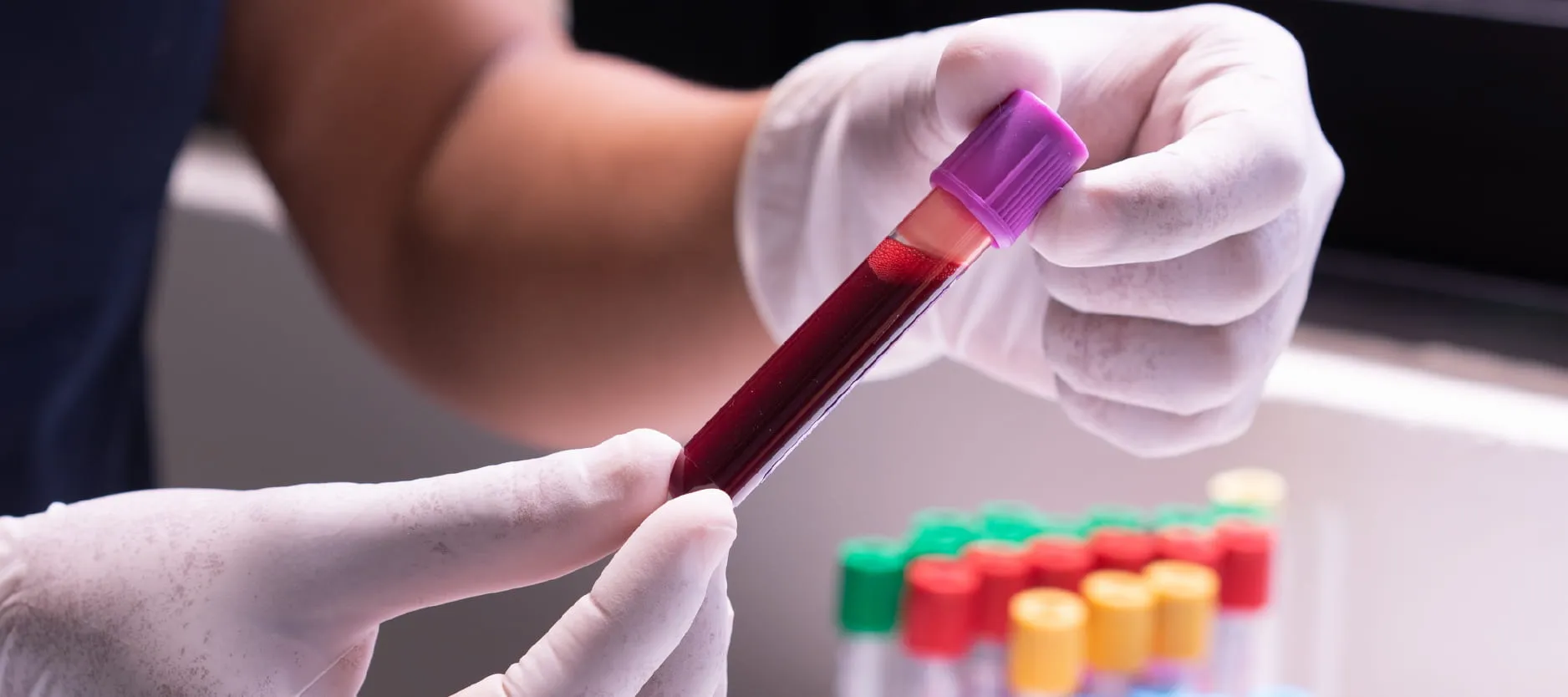
Transferrin is a protein that helps transport iron throughout your body. Transferrin saturation, often shortened to TSAT, is the percentage of transferrin that is actually bound with iron. It’s a key marker in understanding your iron status, and when it drops too low—it can be a red flag for your overall health.
What Counts as Low?
Normal transferrin saturation levels typically fall between 20% and 50%. Anything below 20% is considered low, but here's the kicker: when TSAT dips below 10%, it's not just low—it's dangerously low.

At this point, your body's iron stores are likely depleted, and your tissues aren’t getting the oxygen they need. This isn’t just about feeling tired—chronic low TSAT can cause a domino effect of health issues, including organ dysfunction if left unchecked.
Symptoms You Shouldn’t Ignore
So, how do you know if your transferrin saturation is plummeting into dangerous territory? Your body tends to send signals. Here are some symptoms that might show up when your TSAT is dangerously low:
A video message
If you want your blood test report to be interpreted by Transferrin saturation specialist, you can upload your report. Our Transferrin saturation expert will provide you with the most accurate interpretation of your blood test results and treatment within 12 hours.Upload blood test report now
- Unusual fatigue (even after a full night’s sleep)
- Shortness of breath during light activity
- Headaches that won’t quit
- Brittle nails and hair loss
- Cold hands and feet
- Irregular heartbeat
These symptoms overlap with other conditions too, which is why blood tests are essential to pin down the cause.
What Causes Dangerously Low Transferrin Saturation?
If you’re wondering what could drag your TSAT down to critical levels, there are a few usual suspects:
- Iron-deficiency anemia: This is the most common culprit, especially in women and vegetarians.
- Chronic blood loss: From ulcers, heavy periods, or gastrointestinal issues.
- Chronic diseases: Conditions like kidney disease or cancer can affect iron metabolism.
- Malabsorption syndromes: Think celiac disease or Crohn’s—your body might not be absorbing iron properly.
Sometimes, the cause isn’t immediately obvious, and it requires more in-depth testing. But the key is not to brush it off—especially if you’re dealing with persistent symptoms.
When Should You Worry?
If your transferrin saturation falls below 10%, it's time to pay serious attention. This isn’t just about numbers on a lab sheet—it’s about your organs, your brain, and your energy levels running on fumes.
Your doctor may also look at other markers like serum ferritin, hemoglobin, and total iron-binding capacity (TIBC) to get the full picture. But TSAT is one of the earliest and most sensitive indicators of iron deficiency.
What Can You Do About It?
So let’s say you get your labs back and your TSAT is dangerously low—what’s next?
Step one: Don’t panic. Low transferrin saturation is treatable, especially when caught early. Here are a few steps your healthcare provider might recommend:
- Iron supplementation: Either oral or intravenous, depending on severity.
- Dietary changes: Boost intake of iron-rich foods like lean red meat, leafy greens, lentils, and fortified cereals.
- Address the root cause: If blood loss or an underlying condition is the issue, that needs to be managed too.
- Regular monitoring: Expect follow-up labs to track progress and adjust treatment as needed.
A dangerously low transferrin saturation — generally, anything below 10% — often points to iron deficiency anemia or chronic illness. It’s important to discuss this result with your doctor, find the cause, and begin appropriate treatment if necessary.
Final Thoughts: Know Your Numbers, Know Your Body
Here’s the bottom line: a transferrin saturation below 10% is more than just a lab abnormality—it’s your body asking for help. Understanding what that number means gives you the power to take action before things get worse.
If you’re feeling off and haven’t had iron studies done, ask your healthcare provider. It’s a simple test that can reveal a lot. And if your levels are low, don’t ignore it—your body deserves better fuel.
Stay curious, stay informed, and above all—listen to your body. It’s the only one you’ve got.